
Did You Know?
Archaeologists have discovered pots of honey inside ancient Egyptian tombs that are over 3,000 years old and still perfectly edible. Honey’s low moisture content and natural acidity create an environment where bacteria simply cannot survive, making it one of the few foods that never spoils.
The Numbers Behind the Career
About 15,200 people worked as food scientists and technologists in the U.S. in 2024.
The median annual salary for food scientists and technologist in 2024 was $85,310.
About 3,100 job openings for food scientists and technologist are projected each year for the next decade.
Where This Career Is Headed
Over the next decade, food science will continue to develop rapidly as consumer demand for healthier, more sustainable, and more personalized food options reshapes the industry. Food scientists who combine traditional chemistry and biology skills with knowledge of emerging technologies, data science, and sustainability practices will be best positioned for the strongest opportunities in a field that affects every person on the planet.
Plant-based and alternative proteins: Consumer interest in plant-based meat, dairy, and egg substitutes is fueling significant investment in food science research and development. Experts specializing in protein chemistry, flavor masking, and texture engineering are developing products that closely mimic the taste and mouthfeel of animal-based foods.
Personalized nutrition and functional foods: Advances in genomics and microbiome research are allowing food scientists to create products tailored to individual health needs. Functional foods, which are designed to offer specific health benefits beyond basic nutrition, are among the fastest-growing sectors of the food industry.
Food safety technology and traceability: Blockchain-based supply chain tracking, rapid pathogen-detection methods, and AI-driven quality-control systems are transforming how food safety is managed. Food scientists who understand both the biology of foodborne pathogens and the data systems used to monitor them are becoming increasingly important.
Sustainable food systems and waste reduction: Food scientists are developing edible coatings that extend the shelf life of fresh produce, upcycling food industry byproducts into new ingredients, and designing packaging that minimizes waste. These innovations support both environmental goals and consumer expectations.
Education & Certification
Most food scientists enter the field through one of two primary pathways:
The most common route is earning a bachelor's degree in food science, food technology, chemistry, biology, or a related discipline. Coursework typically covers food chemistry, microbiology, food processing, sensory evaluation, and nutrition. Many programs are accredited by the Institute of Food Technologists (IFT). For roles in research and development, university teaching, or senior technical leadership, a master's or doctoral degree is often required or preferred.
A second pathway begins with an associate degree or technical certification in food processing, quality assurance, or a related laboratory science. This route leads to entry-level roles in food manufacturing, quality control, or laboratory testing, where hands-on experience builds practical knowledge of production systems and safety protocols. From there, professionals can pursue a bachelor's degree while working or earn industry certifications such as the Certified Food Scientist (CFS) credential through IFT. Many food scientists who enter through this pathway advance into supervisory and technical specialist roles based on demonstrated expertise.
To Prepare...
Build a strong foundation in science. Chemistry and biology are the backbone of food science. Take every available course in both subjects, including AP or honors-level classes if offered. Physics and math are also important, especially for understanding food processing equipment and data analysis.
Get comfortable in the kitchen and the lab. Food science bridges cooking and chemistry. Practice cooking and baking at home to develop your intuition for how ingredients interact. If your school has a chemistry lab, pay close attention to the principles of measurement, temperature control, and controlled experimentation, as these are the same skills used in food research.
Stay curious about what you eat. Start reading ingredient labels. Ask yourself why your bread goes stale, why some fruits brown when cut, or why ice cream gets icy in the freezer. Every question like this is a food science question, and the habit of asking them is exactly the mindset the field requires.
Spotlight: Explore the Life of a Food Scientist
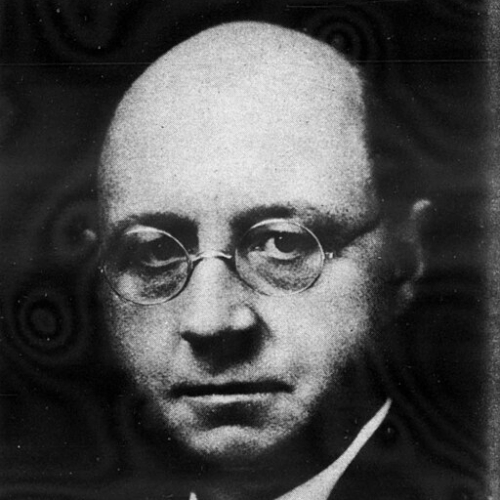
Clarence Frank Birdseye II
Learn More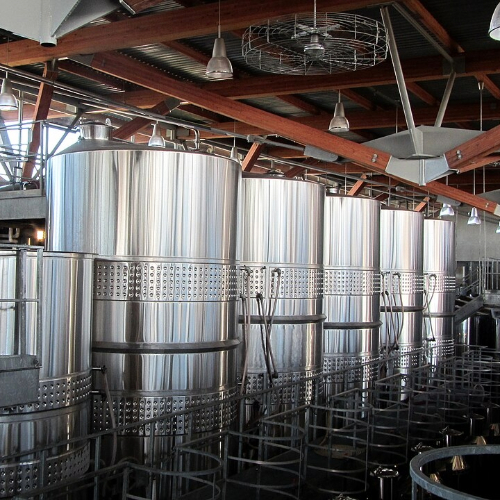
The Science of Fermentation
Learn MoreExplore more resources for a future Food Scientist

Clarence Birdseye: Frozen Food Innovator (Food Dudes)
National Geographic Learning
Why We Picked It
Career Connection
Food scientists develop and refine processes for preserving, transforming, and distributing food safely at scale, and Birdseye's invention of the Quick Freeze Machine, born from scientific observation in the Labrador wilderness, is one of the most consequential breakthroughs in the history of food science and technology.

Young Trailblazers: The Book of Black Inventors and Scientists: (Inventions by Black People, Black History for Kids, Children’s United States History)
Fievre, M.J.
Why We Picked It
Career Connection
Food scientists like Lloyd Augustus Hall developed preservation techniques that transformed how food is produced and stored, and this book places his contributions alongside those of other Black innovators whose work shaped the world we live in today.

Sandor Katz and the Tiny Wild (Food Heroes, 4)
Martin, Jacqueline Briggs | Lee, June Jo
Why We Picked It
Career Connection
Food scientists study fermentation as a tool for preservation, flavor development, and safety, and Katz's story shows how deep curiosity about tiny microbes can grow into a career, a movement, and a transformation of how people understand what they eat.