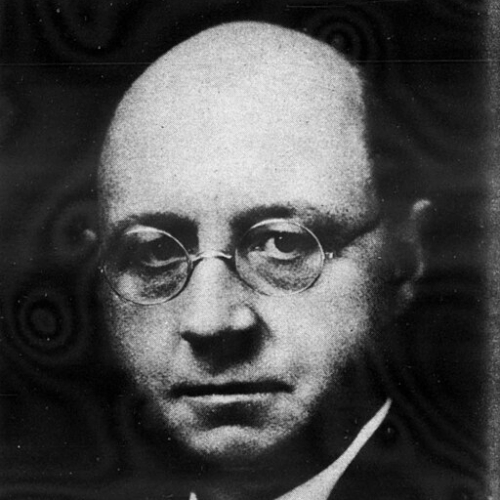
Photo: See page for author, Public domain, via Wikimedia Commons
Who He Is
Clarence Frank Birdseye II was born in Brooklyn, New York, on December 9, 1886. From a young age, he displayed an unquenchable curiosity about the natural world. He studied biology at Amherst College but left before graduation to work as a field naturalist for the U.S. government. Between 1912 and 1915, he was stationed in Labrador, northern Canada, where he traded furs, hunted caribou, and endured some of the harshest winter conditions on the continent. It was there, observing Inuit fishermen pulling their catch from the ice, that Birdseye made the observation that would transform the world's food supply.
Why He Matters
Birdseye observed that fish caught by the Inuit froze almost instantly in extreme cold. When thawed weeks or even months later, the fish tasted nearly as fresh as when it was caught. He realized that quick freezing was the key. Slow freezing, the only method used commercially at the time, formed large ice crystals that damaged the cells in food, leading to a mushy, flavorless texture when thawed. Rapid freezing produced much smaller crystals, preserving the food's original texture, color, and flavor. Back in the United States, Birdseye spent years experimenting and in 1924 developed and patented a method of packing food into waxed cardboard boxes and flash-freezing them under pressure between two refrigerated metal plates. He founded General Seafoods Corporation, and in 1930 introduced the first retail line of frozen foods: 26 items sold in 18 stores in Springfield, Massachusetts. In 1929, he sold his company and patents for $22 million to what became the General Foods Corporation. The "Birds Eye" name remains one of the most recognized frozen-food brands worldwide. Birdseye held nearly 300 patents during his life, including inventions for infrared heat lamps and a method for converting sugarcane waste into paper pulp. His innovations in flash-freezing transformed how the world stores, ships, and consumes food.