
Did You Know?
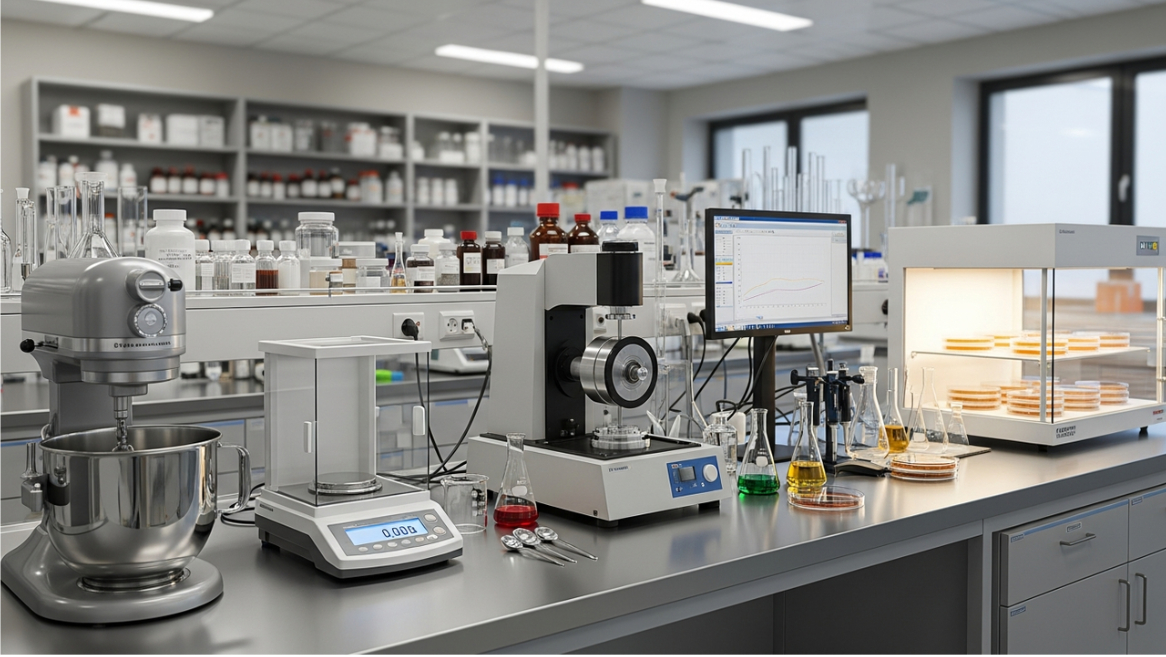
Archaeologists have discovered pots of honey inside ancient Egyptian tombs that are over 3,000 years old and still perfectly edible. Honey’s low moisture content and natural acidity create an environment where bacteria simply cannot survive, making it one of the few foods that never spoils.
How to Get Started
Getting started toward a career as a food scientist begins with developing your curiosity about the science behind the food you eat every day.
Explore the Basics
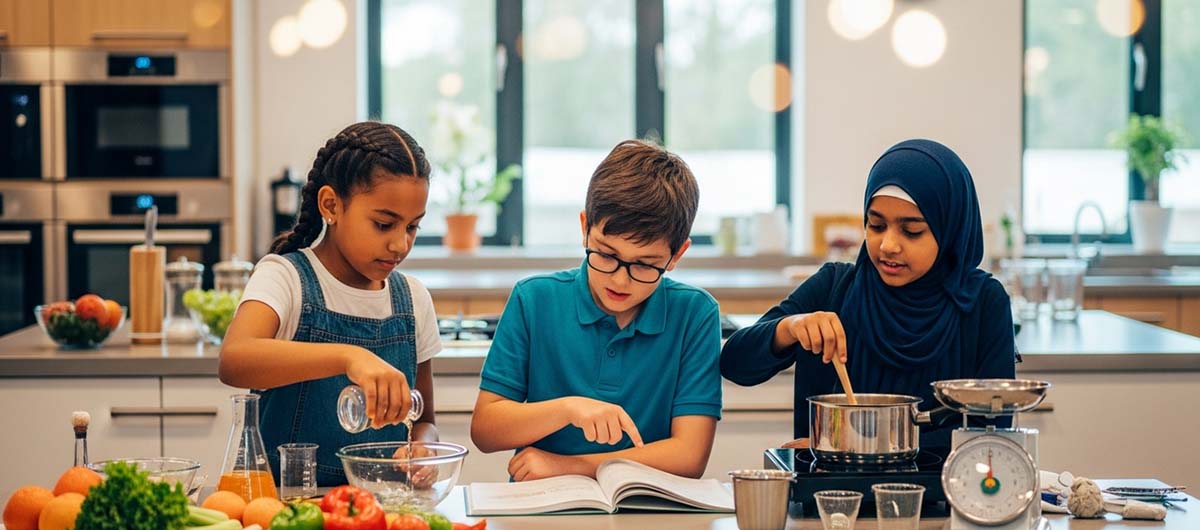
Next time you're in the kitchen with a parent, choose a recipe and pay close attention to what happens when ingredients are combined. Observe what occurs when baking soda meets vinegar, when butter melts in a hot pan, or when an egg changes from liquid to solid as it cooks. After you finish cooking, write down or draw three things that surprised you. Then, go to the pantry and select three packaged foods. Read the ingredient labels with your parent and look up any ingredients you don't recognize. Talk about why those ingredients might be there and what role they play in the food.
Try It Out
Try the raisin experiment. Fill a clear glass with a carbonated beverage, such as sparkling water, and drop in a few raisins. Watch what happens. The carbon dioxide bubbles stick to the raisins' rough surface, lifting them to the top. When the bubbles pop, the raisins sink back down. This is a simple example of how gas interacts with food surfaces, the same kind of observation that food scientists make when studying carbonation, fermentation, and food texture. Talk about what you noticed and why you think it happened.
Join the Community
Ask a parent to help you find a local farm, dairy, bakery, or food production facility that offers tours or open house events. Many farms and food producers host family-friendly tours that show how food goes from raw ingredients to finished products. If you visit a bakery, ask how they make sure every loaf of bread turns out the same. If you visit a dairy, ask how milk is pasteurized. Good questions show curiosity, and curiosity is the most important trait a food scientist can have.
How to Become a Food Scientist
Explore more resources for a future Food Scientist

The Art of Fermentation: With Practical Information on Fermenting Vegetables, Fruits, Grains, Milk, Beans, Meats, and More
Katz, Sandor Ellix
Why We Picked It
Career Connection
Food scientists use fermentation to develop flavor, extend shelf life, and improve nutritional value across a vast range of products, and the scientific depth and rigor of this guide make it one of the most complete introductions to the chemistry and microbiology behind the process.

Bread Lab!
Binczewski, Kim | Econopouly, Bethany
Why We Picked It
Career Connection
Food scientists study and apply fermentation to develop and preserve foods safely, and the sourdough experiment at the center of this picture book introduces young readers to the living, microbial science behind one of humanity's most ancient food technologies.

Young Trailblazers: The Book of Black Inventors and Scientists: (Inventions by Black People, Black History for Kids, Children’s United States History)
Fievre, M.J.
Why We Picked It
Career Connection
Food scientists like Lloyd Augustus Hall developed preservation techniques that transformed how food is produced and stored, and this book places his contributions alongside those of other Black innovators whose work shaped the world we live in today.