
Did You Know?
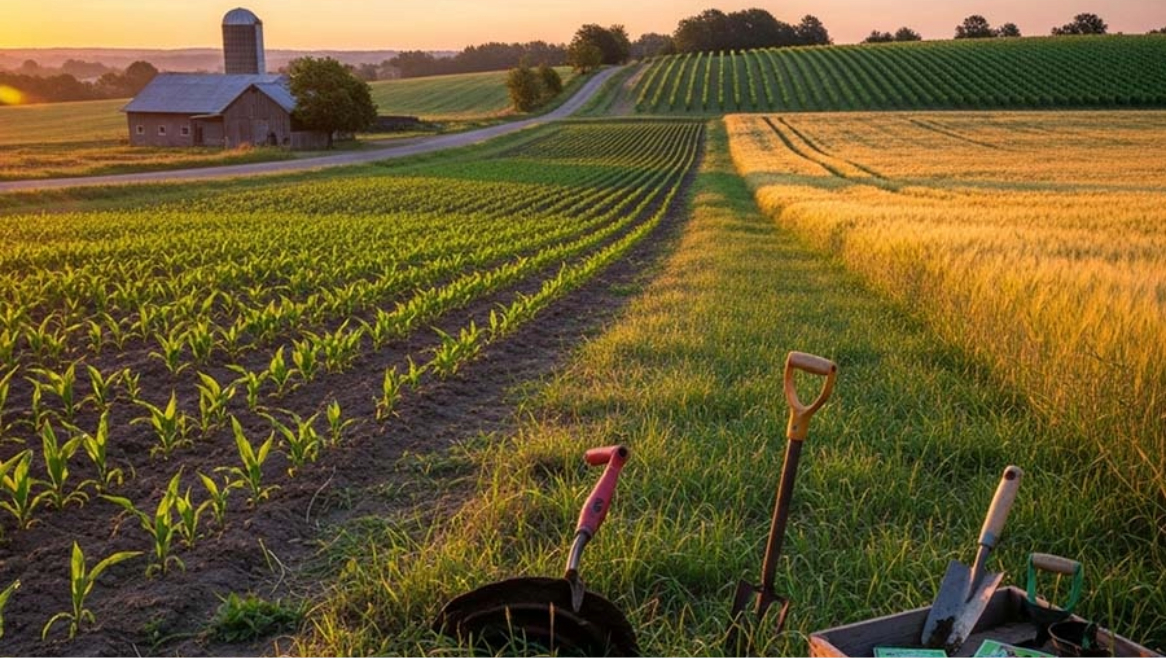
Agronomists discovered that playing classical music near crops can measurably increase plant growth, likely by stimulating soil microbes. Some farms in Japan and Europe have experimented with music systems in their fields as a result.
What Agronomistss Really Do
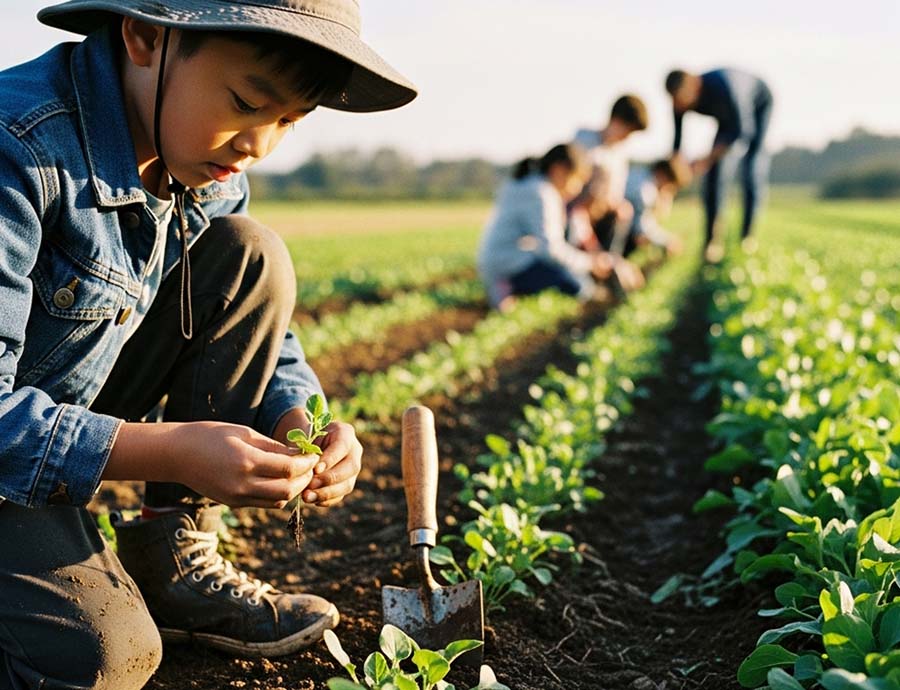
Dig your hand into a patch of healthy garden soil, and you will feel something alive. It is dark, crumbly, and full of tiny organisms working together to feed the plants growing above them. Agronomists are scientists who study the living world beneath our feet, figuring out how to help soil grow better crops, use water wisely, and stay healthy for generations to come. They work outside on farms and in fields, as well as in laboratories, testing soil samples and developing new ways to help plants thrive.
Every piece of food on your plate started with soil, sunlight, water, and the knowledge of someone who understood how to bring them together. Agronomists are the scientists behind that knowledge. They figure out which crops grow best in which soils, how to protect farmland from erosion and drought, and how to feed a growing world without wearing out the earth in the process. If you love being outside, are curious about how living things grow, and want to do work that helps feed people, you might already be thinking like an agronomist.
You Might Love This If...
Skills That Follow You Everywhere
Agronomists develop skills that extend far beyond soil samples and crop yields. They learn to adapt their thinking when living systems behave unexpectedly, bounce back when seasons or experiments do not go as planned, and translate complex science into guidance that farmers and policymakers can actually use. These abilities are valuable in any career that involves working with uncertainty, communicating across expertise levels, and staying effective when outcomes are never fully in your control.
Resilience
Agronomy is deeply tied to outcomes that no amount of expertise can fully guarantee. A promising crop variety can fail in an unexpected frost, a multi-season field trial can be wiped out by drought, and a soil restoration plan can take years to show measurable results. Resilience allows agronomists to absorb setbacks, document what went wrong, and return to the work with the same rigor and commitment they started with.
Adaptability
No two growing seasons are the same, and no two fields respond identically to the same treatment. Agronomists routinely encounter unexpected pest pressures, unusual weather patterns, and soil conditions that do not match predictions from the data. Adaptability means adjusting recommendations in real time, revising research protocols when results go sideways, and staying open to approaches that did not exist when you were trained.
Communication
Agronomists often hold the most technically complex understanding of any soil or crop system in the room, but that knowledge only creates value when it reaches the people who need it. An agronomist advising a farmer, presenting findings to a government agency, or training extension workers must translate dense scientific analysis into clear, practical language. Strong communication skills help agronomists build trust with the farmers and communities they serve and ensure that years of careful research actually change how the land is managed.
Explore more resources for a future Agronomists

SmartGames Smart Farmer – Barnyard STEM Focused Cognitive Skill-Building Logic Puzzle Game with 60 Challenges for Ages 5+
Why We Picked It
Career Connection
Agronomists constantly plan how to use land and resources efficiently, and this puzzle's spatial problem-solving gives kids an early, playful workout in the methodical thinking the field rewards.

Just in Case: Saving Seeds in the Svalbard Global Seed Vault
Clendenan, Megan
Why We Picked It
Career Connection
Agronomists rely on crop diversity to breed resilient plants, and this book introduces why protecting seeds, the raw material of all their work, keeps the future of food secure.

The Kid Who Changed the World
Andrews, Andy
Why We Picked It
Career Connection
Agronomists use plant science to grow more and better food, and Borlaug's story shows kids how one curious problem-solver's work in the fields could change millions of lives.