
Did You Know?
Archaeologists have discovered pots of honey inside ancient Egyptian tombs that are over 3,000 years old and still perfectly edible. Honey’s low moisture content and natural acidity create an environment where bacteria simply cannot survive, making it one of the few foods that never spoils.
What Food Scientists Really Do
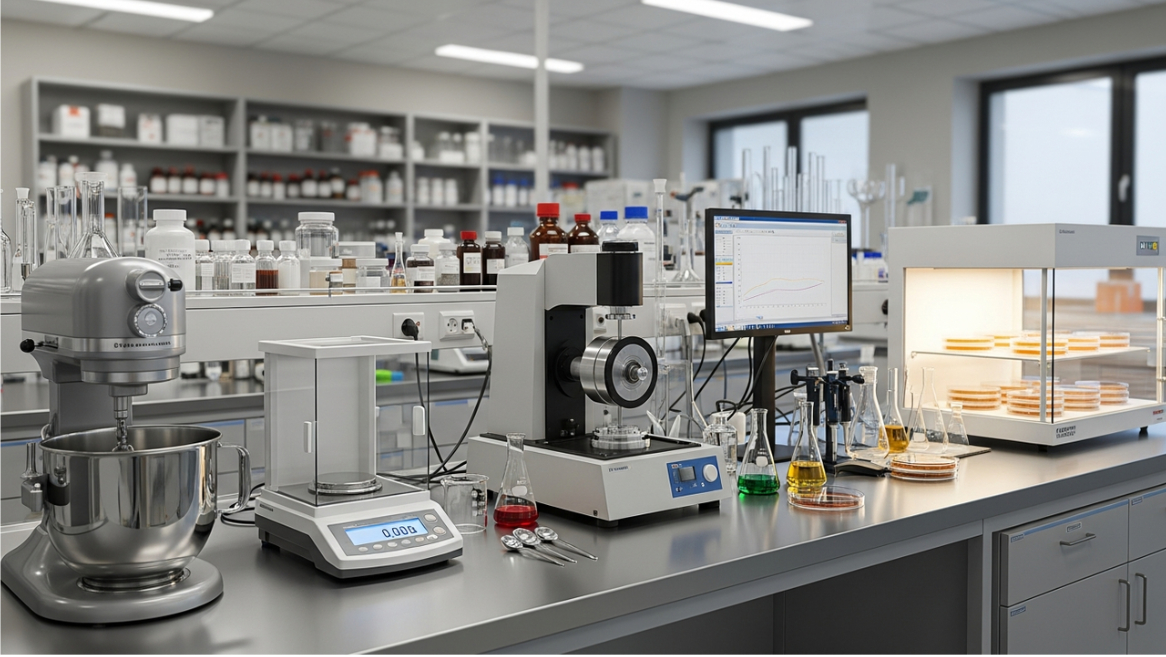
Imagine walking into a kitchen that resembles a science lab. There are beakers, thermometers, and scales on the counters, but there are also mixing bowls, ovens, and trays of colorful ingredients. You are a food scientist, and today your task is to create a new flavor of yogurt that kids will love. You begin by tasting different fruit blends, noting details about each one. Is the strawberry too sweet? Does the blueberry need more tang? You make small batches, tweak the recipe, and taste again. When something finally tastes perfect, you take it down the hall to a room where others try it and give their opinions. If they love it, your creation might end up on grocery store shelves for families everywhere to enjoy.
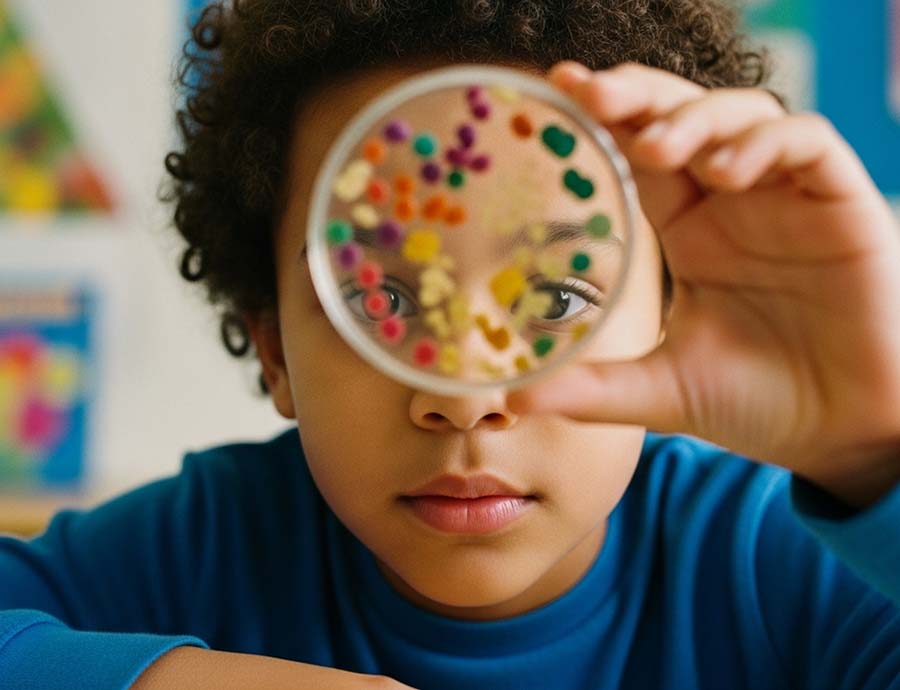
Some days look completely different. Instead of inventing new flavors, you might spend the morning peering through a microscope to check whether a batch of juice is free of harmful germs. Or you could be testing a new kind of packaging to see if it keeps crackers crunchy for months instead of weeks. Food scientists are the detectives, inventors, and taste testers behind almost everything you eat. Every cereal, every frozen pizza, every juice box, and every bag of chips was shaped by someone who understands both cooking and science. The next time you bite into your favorite snack and wonder why it tastes so good, the answer is probably a food scientist.
You Might Love This If...

Skills That Follow You Everywhere
Being a food scientist helps you develop essential skills applicable in many careers, such as problem-solving, critical thinking, and creativity. Food scientists learn to design and conduct experiments, analyze complex data, evaluate sensory experiences, and communicate technical findings to audiences ranging from laboratory colleagues to business leaders and consumers.
Critical Thinking
A food scientist uses critical thinking to evaluate experimental data, interpret sensory panel results, and determine whether a formulation meets safety, nutritional, and quality targets. When a product fails a shelf-life test, the scientist must identify the root cause by examining ingredient interactions, processing conditions, and packaging variables, then design targeted experiments to isolate and fix the problem.
Creativity
A food scientist uses creativity to develop new products, improve existing ones, and find novel solutions to technical challenges. Designing a plant-based cheese that melts like dairy, inventing a packaging solution that extends shelf life without additives, or crafting a new flavor profile that appeals to a target demographic all require the kind of inventive thinking that turns scientific knowledge into products people love.
Problem-Solving
A food scientist uses problem-solving daily when translating a small test-kitchen recipe into a product that can be manufactured at an industrial scale. Ingredients behave differently in large batches, temperatures fluctuate in production environments, and equipment limitations force creative alternatives. The scientist must adapt formulations, adjust processing parameters, and troubleshoot unexpected results to deliver a product that is safe, consistent, and appealing.
Explore more resources for a future Food Scientist

Bread Lab!
Binczewski, Kim | Econopouly, Bethany
Why We Picked It
Career Connection
Food scientists study and apply fermentation to develop and preserve foods safely, and the sourdough experiment at the center of this picture book introduces young readers to the living, microbial science behind one of humanity's most ancient food technologies.

The Art of Fermentation: With Practical Information on Fermenting Vegetables, Fruits, Grains, Milk, Beans, Meats, and More
Katz, Sandor Ellix
Why We Picked It
Career Connection
Food scientists use fermentation to develop flavor, extend shelf life, and improve nutritional value across a vast range of products, and the scientific depth and rigor of this guide make it one of the most complete introductions to the chemistry and microbiology behind the process.

Young Trailblazers: The Book of Black Inventors and Scientists: (Inventions by Black People, Black History for Kids, Children’s United States History)
Fievre, M.J.
Why We Picked It
Career Connection
Food scientists like Lloyd Augustus Hall developed preservation techniques that transformed how food is produced and stored, and this book places his contributions alongside those of other Black innovators whose work shaped the world we live in today.