Did You Know?
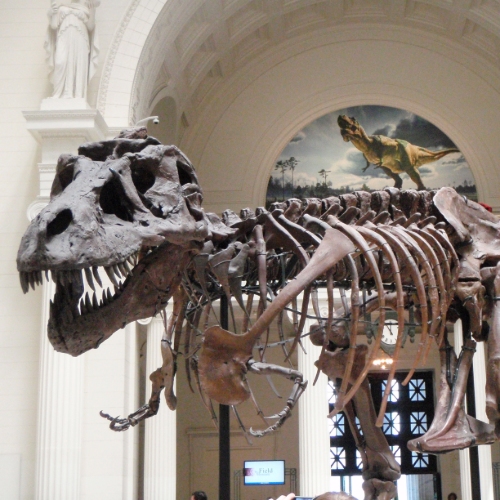
Every bird you see is a living dinosaur. Scientists classify birds as the last surviving branch of the dinosaur family tree, which means the pigeons in a parking lot are more closely related to T. rex than any lizard alive today.
The Numbers Behind the Career
About 25,400 geoscientist*, the closest classification the U.S. Bureau of Labor Statistics tracks to paleontologists, were working in the United States in 2025.
The median annual salary for geoscientists was $101,920 in 2025, though paleontologists working in museums or academia often earn less.
About 1,800 openings for geoscientist are projected each year over the next decade.
Where This Career Is Headed
Paleontology is entering an exciting period shaped by new technology and growing public fascination with ancient life. Tools like CT scanning, 3D printing, and AI-assisted image analysis let scientists study fossils in ways that were impossible even a few years ago, revealing details about ancient anatomy and behavior hidden within the rock. At the same time, paleontologists face real, near-term pressure from tightening research budgets and fossil sites eroding faster due to shifting weather patterns. Over the next decade, the field is likely to look noticeably different, blending traditional fieldwork with fast-moving digital science.
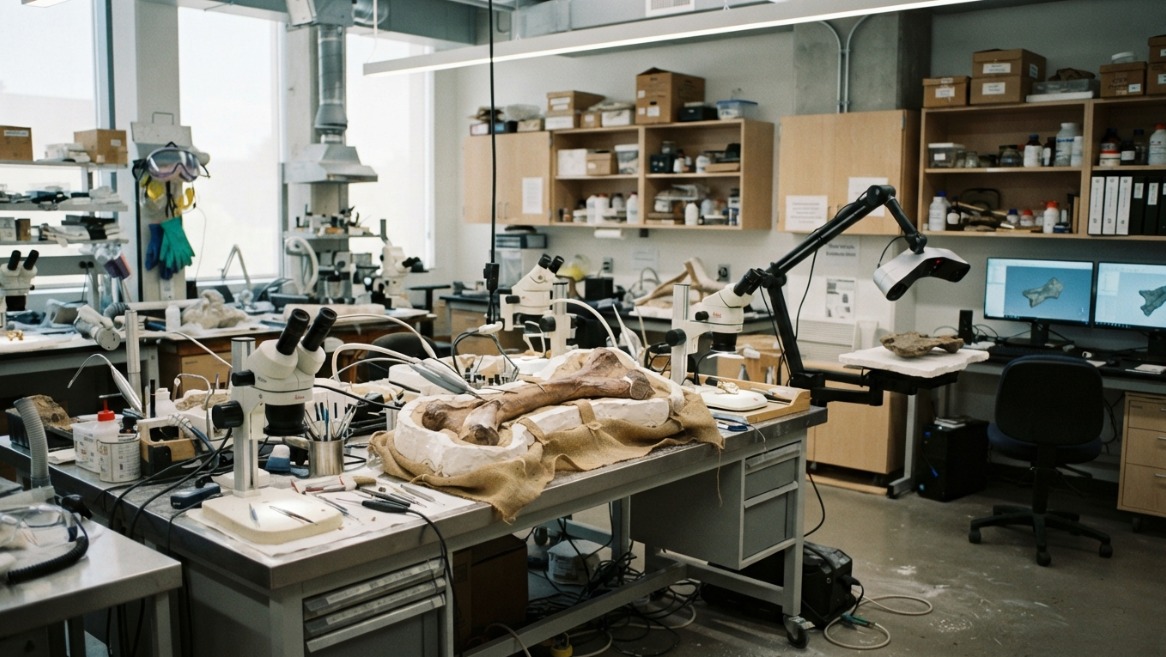
Advances in CT scanning and 3D printing are already letting paleontologists study fragile fossils and create accurate replicas without risking the original specimens.
Growing public fascination with dinosaurs and prehistoric life, fueled by documentaries and museum exhibits, is expanding funding and career opportunities in science communication.
New fossil discoveries in previously hard-to-reach regions, including parts of Africa, Antarctica, and the ocean floor, are opening fresh frontiers for paleontological research over the next few years.
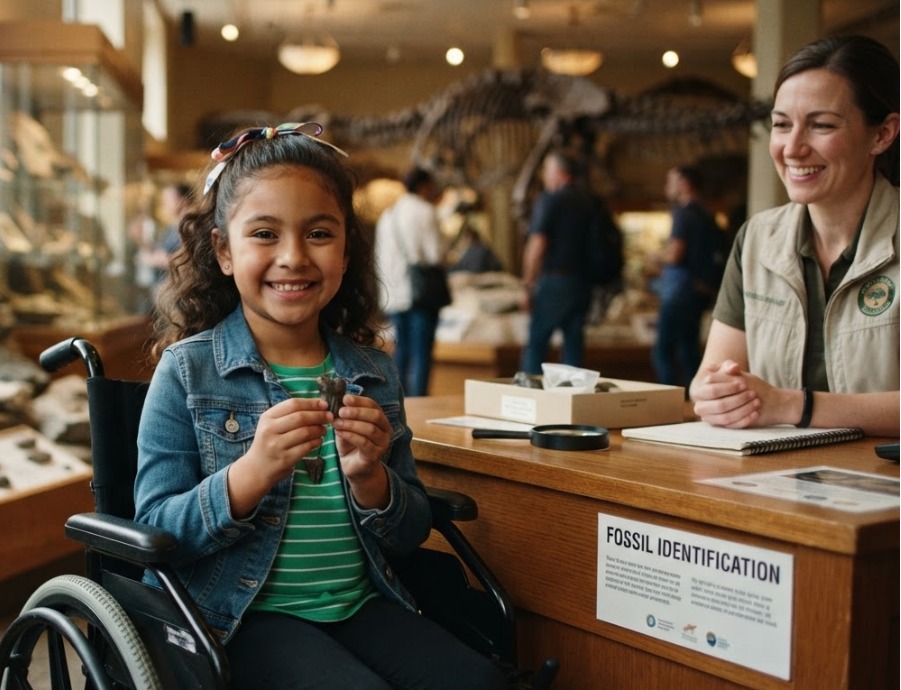
Education & Certification
Becoming a paleontologist typically requires a bachelor's degree in paleontology, geology, biology, or earth science, followed by a master's degree or, for most research and university positions, a Ph.D. in paleontology or a closely related field. Coursework covers geology, evolutionary biology, and chemistry, with growing attention to statistics and computer modeling for analyzing fossil data. Because research and museum curator jobs are competitive, many paleontologists build experience through fieldwork, internships, and volunteer digs well before finishing their degrees. No formal license is required to work as a paleontologist, though a strong record of fieldwork and published research matters as much as any single credential when it comes to landing a job.
To Prepare:
Take courses in biology, earth science, and chemistry to build the foundation most paleontology degree programs require.
Look for volunteer or junior programs at natural history museums, which often welcome students to help clean, catalog, or observe fossil preparation.
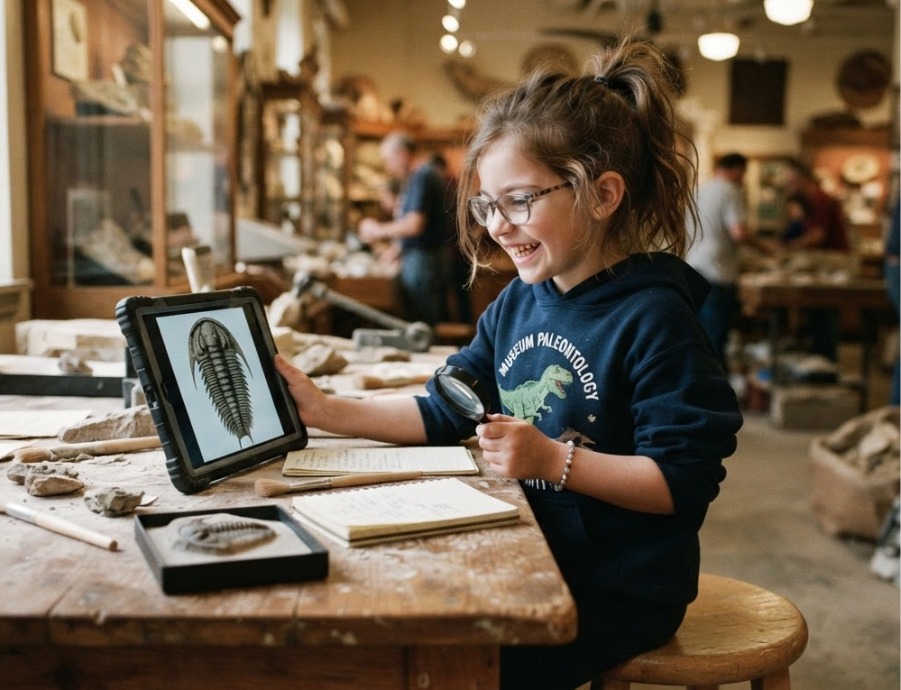
Practice careful observation and record-keeping, such as detailed nature journaling, since documentation is a huge part of real paleontological fieldwork.