
Did You Know?
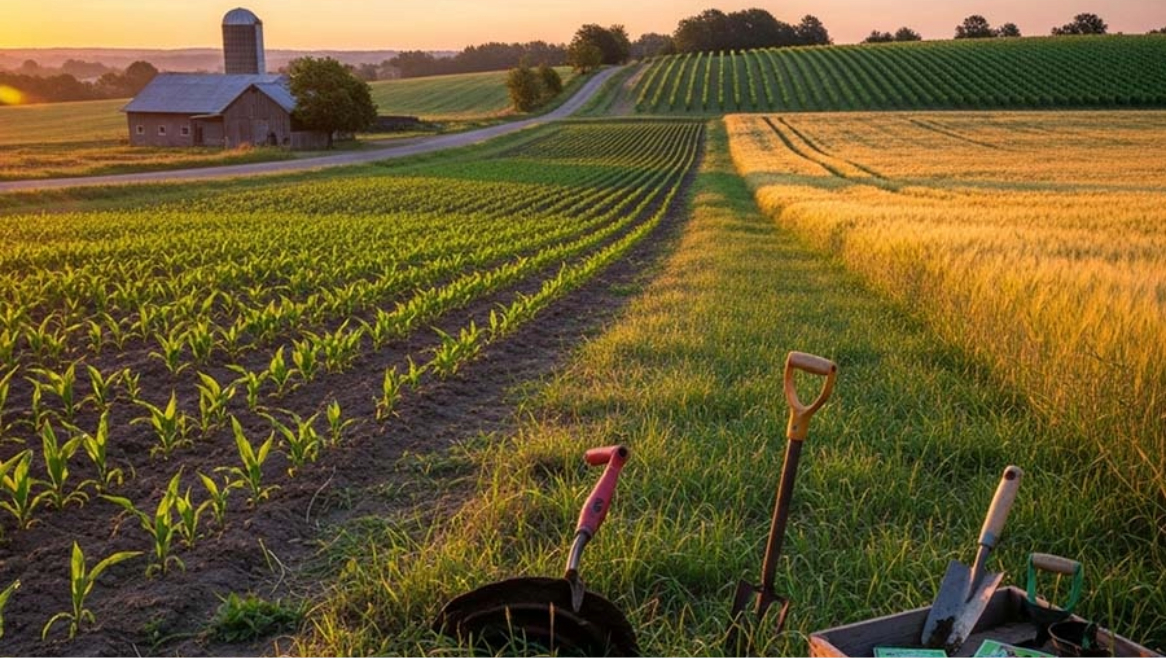
Agronomists discovered that playing classical music near crops can measurably increase plant growth, likely by stimulating soil microbes. Some farms in Japan and Europe have experimented with music systems in their fields as a result.
The Numbers Behind the Career
There were about 4,018 agronomists in the US as of 2024.
About 321 agronomist job openings are projected annually over the next decade.
The average median salary for agronomists in the US as of 2024 was $51,288.
Where This Career Is Headed
Agronomy is being reshaped by the convergence of climate change, precision technology, and growing global pressure to produce more food on less land with fewer inputs. Agronomists are increasingly using satellite imagery, soil sensors, and machine learning tools to detect crop stress and soil degradation at scales and resolutions that were previously impossible. At the same time, the urgency of climate adaptation is pushing the field toward new research priorities, including drought-resistant crop varieties, carbon sequestration in agricultural soils, and farming systems that can remain productive as growing seasons and precipitation patterns shift unpredictably. The agronomist of the next decade will need to be as comfortable with data science as with field work.
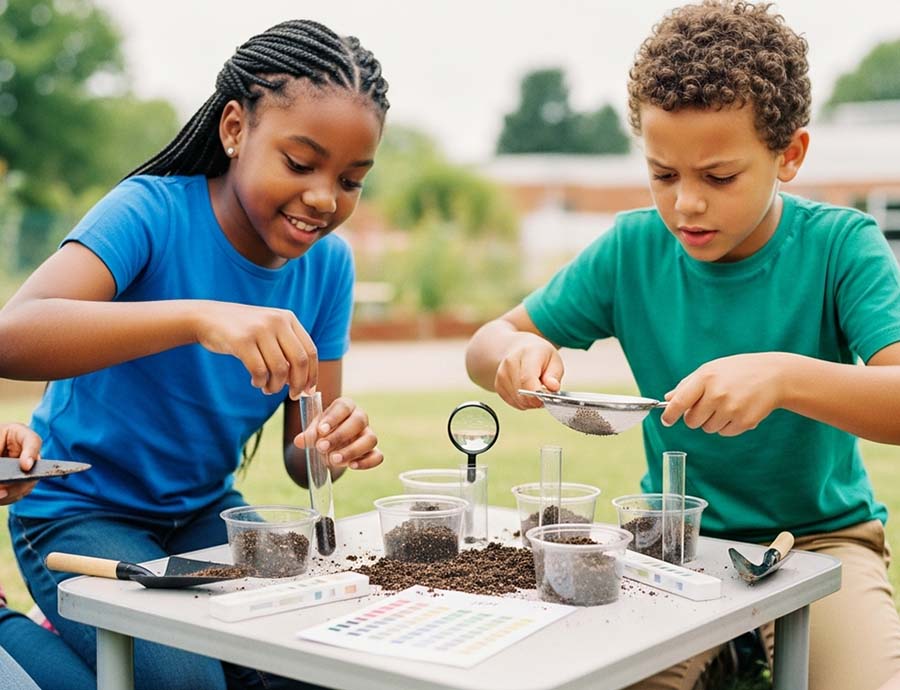
Precision agriculture tools, including drones, soil sensors, and satellite imaging, are creating demand for agronomists who can interpret complex datasets and translate them into field-level recommendations.
Growing interest in soil carbon sequestration as a climate solution is opening new roles for agronomists in carbon credit markets, conservation programs, and sustainability consulting.
Food security concerns driven by population growth and climate instability are increasing investment in crop research, drought-resistant varieties, and sustainable intensification strategies, for which agronomists are uniquely positioned to lead.
Education & Certification
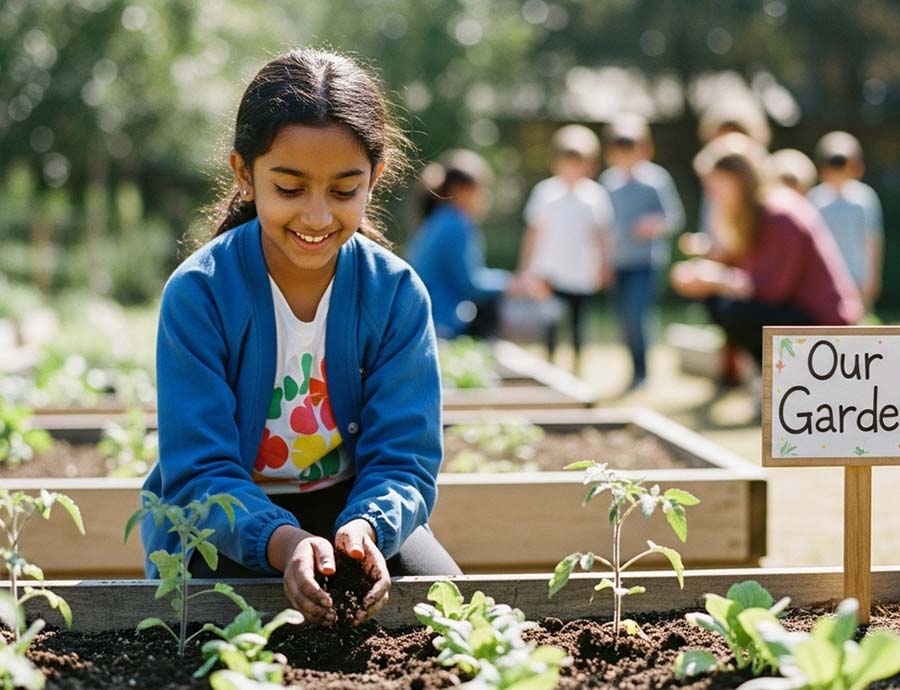
Agronomists typically enter the field with a bachelor's degree in agronomy, soil science, crop science, plant biology, or a closely related agricultural discipline. Coursework covers soil chemistry, plant physiology, ecology, hydrology, and increasingly, data analytics and precision agriculture technology. Many universities with strong agricultural programs offer dedicated agronomy degrees that blend laboratory and field training, giving students hands-on experience alongside their academic preparation. Graduate degrees are common for agronomists who want to pursue research, work in academia, or take on senior advisory roles with government agencies or large agricultural organizations.
Professional certification is not universally required but is widely valued in the field. The most recognized credential is the Certified Crop Adviser (CCA) designation, offered through the American Society of Agronomy, which requires passing an exam and demonstrating practical field experience. Agronomists working in soil science can also pursue the Certified Professional Soil Scientist (CPSS) credential through the Soil Science Society of America. These certifications signal expertise to employers, farmers, and government clients and can meaningfully strengthen both employability and earning potential.
To Prepare...
Take courses in biology, chemistry, and environmental science to build the scientific foundation that agronomy programs build directly on.
Seek out electives in earth science, ecology, or statistics to develop comfort with the range of disciplines that agronomists draw on in the field.
Explore FFA (Future Farmers of America) programs, if available at your school, which offer structured agricultural education, soil-judging competitions, and crop science activities that directly connect to what agronomists do professionally.
Spotlight: Explore the Life of a Agronomists


Explore more resources for a future Agronomists

Farm Anatomy: The Curious Parts and Pieces of Country Life
Rothman, Julia
Why We Picked It
Career Connection
Agronomists need fluency in crops, soil, and farming systems, and this illustrated tour of how a farm works builds exactly the kind of detailed, hands-on knowledge their science draws on.

The Wizard and the Prophet: Two Remarkable Scientists and Their Dueling Visions to Shape Tomorrow's World
Mann, Charles
Why We Picked It
Career Connection
Agronomists like Borlaug aim to engineer abundance from the land, and this book sets that mission within the larger questions of sustainability and limits every agricultural scientist must weigh.

SmartGames Smart Farmer – Barnyard STEM Focused Cognitive Skill-Building Logic Puzzle Game with 60 Challenges for Ages 5+
Why We Picked It
Career Connection
Agronomists constantly plan how to use land and resources efficiently, and this puzzle's spatial problem-solving gives kids an early, playful workout in the methodical thinking the field rewards.