
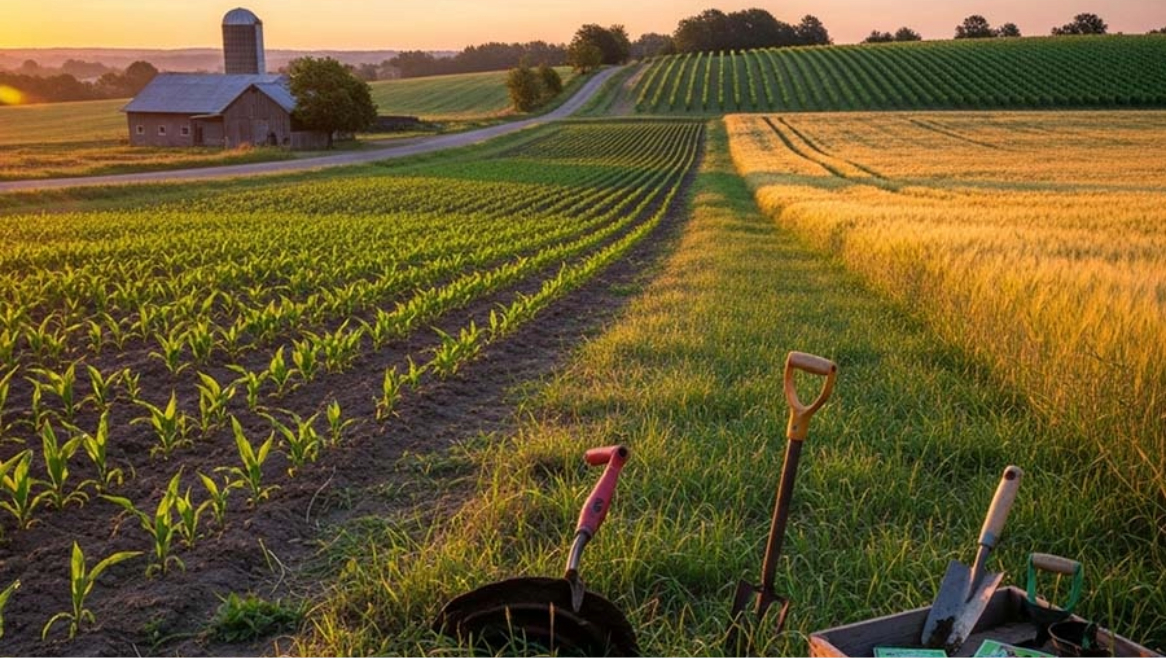
Did You Know?
Agronomists discovered that playing classical music near crops can measurably increase plant growth, likely by stimulating soil microbes. Some farms in Japan and Europe have experimented with music systems in their fields as a result.
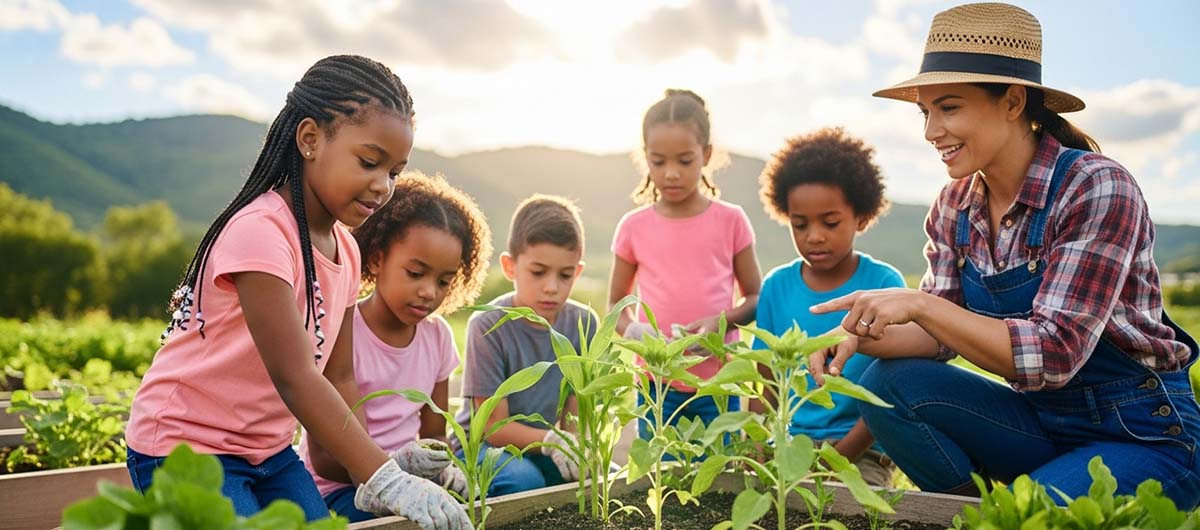
How to Get Started
Getting started in agronomy begins with paying attention to the living world beneath your feet and developing curiosity about how soil, plants, water, and weather all work together. Building habits of observation, asking questions about why things grow the way they do, and spending time outdoors are all early steps. Every agronomist started by noticing something in the natural world that made them want to understand it better.
Explore the Basics
Go outside and collect three small soil samples from different locations, such as a garden bed, a patch of lawn, and an area of bare dirt, and compare them side by side. Look at the color, texture, and smell of each one and write down what you notice. Healthy soil is darker, crumblier, and earthier-smelling than compacted or depleted soil, and learning to read those differences is one of the first things agronomists do.
Try It Out
Make your own compost bin using a container, kitchen scraps like fruit peels and vegetable trimmings, and a little soil. Check it every few days, mix it gently, and observe how the scraps break down over several weeks. Composting is one of the most fundamental soil health practices agronomists study and recommend to farmers around the world.
Join the Community
Visit a local farmers market and ask one of the vendors about the soil they grow their produce in, what they do to keep it healthy, and whether they have noticed changes in their land over the years. Farmers who grow food directly are some of the best practical teachers about how soil and plants work together, and most are happy to talk about their work.
How to Become a Agronomists
Explore more resources for a future Agronomists

The Dust Bowl
Booth, David
Why We Picked It
Career Connection
Agronomists study how to keep soil healthy and prevent erosion, and this story gives kids an early, vivid sense of what happens to farms when the land is pushed too far.

Seeds on Ice: Svalbard and the Global Seed Vault: New and Updated Edition
Fowler, Cary
Why We Picked It
Career Connection
Agronomists depend on diverse seed banks to develop crops that survive pests, disease, and climate change, and this insider account shows the science and foresight behind safeguarding them.

SmartGames Smart Farmer – Barnyard STEM Focused Cognitive Skill-Building Logic Puzzle Game with 60 Challenges for Ages 5+
Why We Picked It
Career Connection
Agronomists constantly plan how to use land and resources efficiently, and this puzzle's spatial problem-solving gives kids an early, playful workout in the methodical thinking the field rewards.