
Did You Know?
A group of scientists once tracked a single Arctic tern on a migration journey of more than 44,000 miles in a single year, roughly the equivalent of flying from the North Pole to the South Pole and back again.
The Numbers Behind the Career
There were about 18,200 zoologist and wildlife biologist in the U.S. in 2024.
About 1,400 openings for zoologist and wildlife biologist are projected annually over the next decade.
The 2024 median annual salary for zoologist and wildlife biologist was $72,860 with the highest 10% earning more than $113,350.
Where This Career Is Headed
Zoology is being transformed by advances in technology, the growing urgency of biodiversity conservation, and new tools for understanding animal life at scales previously impossible a generation ago. DNA sequencing, satellite tracking, drone surveys, and AI-powered image recognition are giving zoologists unprecedented ability to monitor wildlife populations, track migration patterns, and identify new species. At the same time, accelerating habitat loss, climate change, and human-wildlife conflict are making the work of zoologists more critical than ever. As global efforts to protect biodiversity intensify, zoologists will be at the center of the science that informs those decisions.
Advances in genomics and environmental DNA (eDNA) sampling are allowing zoologists to detect and study species from water and soil samples without ever seeing the animal, opening new frontiers in biodiversity research.
The growing field of conservation technology is creating demand for zoologists who can use drones, satellite imagery, camera traps, and AI to monitor wildlife populations at larger scales and in more remote locations.
International biodiversity agreements and expanding wildlife protection policies are increasing the need for zoologists who can provide the scientific evidence that shapes conservation law and land management decisions.
Education & Certification
Most zoologist positions require at least a bachelor's degree in zoology, biology, ecology, wildlife biology, or a related field. Undergraduate programs typically cover animal biology, ecology, genetics, chemistry, statistics, and field research methods. Many zoologists pursue master's degrees or Ph. D.S to conduct independent research, lead field studies, or work in academic or senior government positions. Graduate work allows zoologists to specialize in areas like marine biology, entomology, conservation genetics, animal behavior, or wildlife management.
No universal license is required for zoologists, but specific roles may require permits for wildlife handling, fieldwork in protected areas, or working with endangered species. Professional certifications, such as the Certified Wildlife Biologist credential from The Wildlife Society, can strengthen a zoologist's qualifications and career advancement. Continuing education through conferences, publications, and fieldwork is essential in a field where new discoveries and methods are constantly emerging.
To Prepare...
Take classes in biology, chemistry, environmental science, and math, especially statistics, to build the scientific foundation that zoological research depends on.
Develop strong writing and data analysis skills through science coursework, as zoologists spend significant time recording observations, analyzing data, and communicating findings.
Seek out advanced coursework in ecology, genetics, or animal behavior if your school offers it, and explore college programs with strong field research components.
Spotlight: Explore the Life of a Zoologist


Explore more resources for a future Zoologist

Shark Lady
Jess Keating
Why We Picked It
Career Connection
Zoologists change scientific understanding through careful observation and rigorous research, and Eugenie Clark's decades of fieldwork that overturned the world's assumptions about shark behavior is one of the most vivid examples of how scientific patience can transform not just a field but an entire culture's relationship with a species.

Steve & Me
Irwin, Terri
Why We Picked It
Career Connection
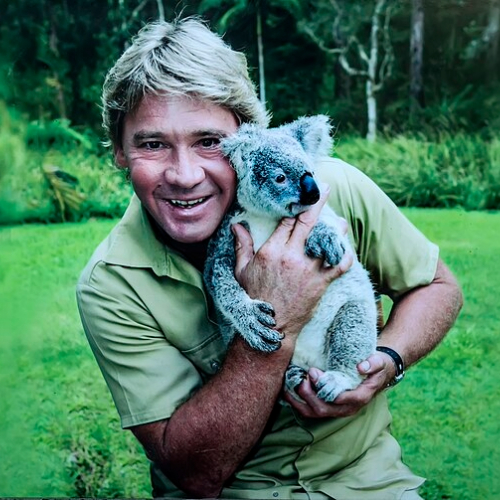
Zoologists document and protect animal species through fieldwork, conservation programs, and public education, and Steve Irwin's career combined all three with a joy and authenticity that inspired a generation to care about wildlife and the wild places animals need to survive.
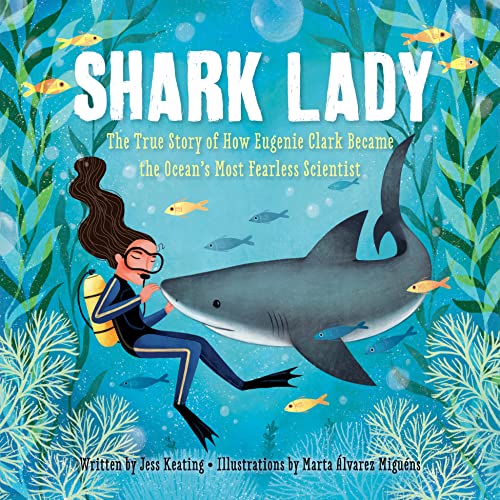
Shark Lady: The True Story of How Eugenie Clark Became the Ocean's Most Fearless Scientist (Women in Science Books, Marine Biology for Kids, Shark Gifts)
Keating, Jess
Why We Picked It
Career Connection
Zoologists who specialize in marine biology study animal behavior in some of the world's most challenging environments, and Eugenie Clark's pioneering research into shark behavior, done at a time when women were rarely welcomed in field science, makes her one of the most inspiring figures in the profession's history.