
Did You Know?
A group of scientists once tracked a single Arctic tern on a migration journey of more than 44,000 miles in a single year, roughly the equivalent of flying from the North Pole to the South Pole and back again.

What Zoologists Really Do
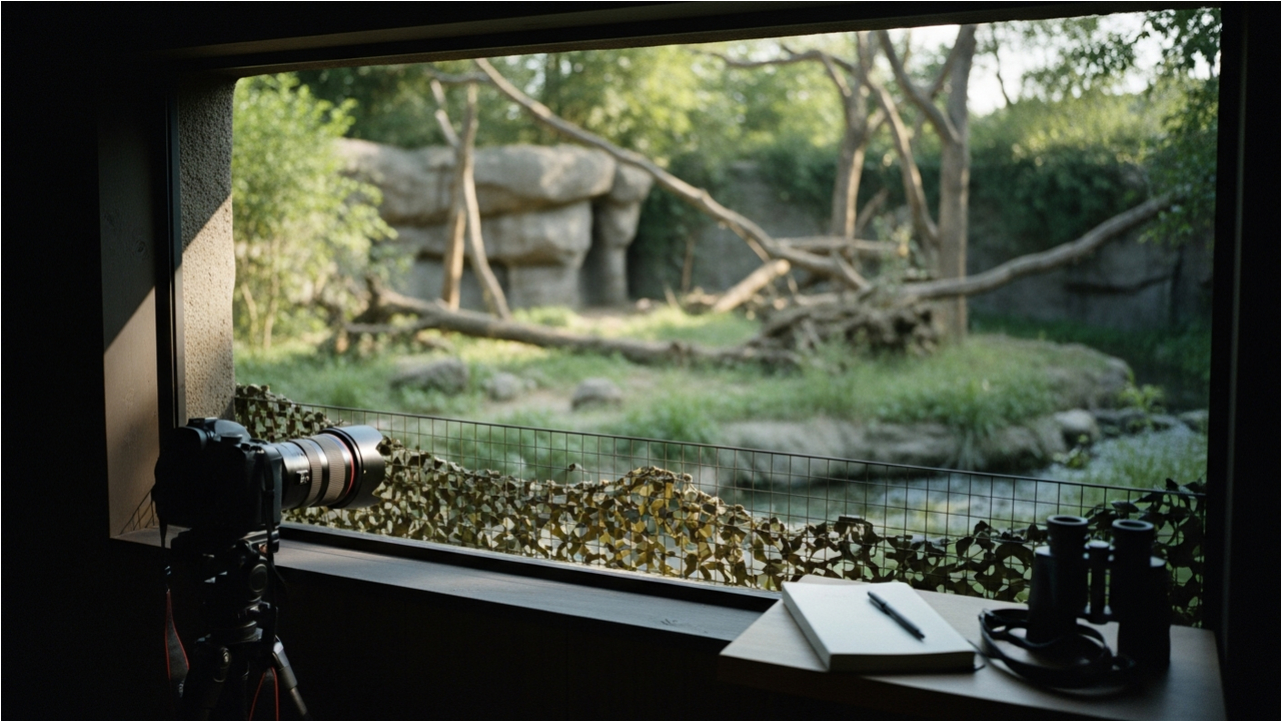
A tiny frog no bigger than your thumbnail sits on a leaf in a rainforest, its bright blue skin warning predators to stay away. Somewhere nearby, hidden behind a camera trap, a zoologist is recording every move it makes. How does it find food? Where does it sleep? Why is it that exact shade of blue? Zoologists are scientists who study animals, from the smallest insects to the largest whales, to understand how they live, how they behave, and how they survive in their environments. Their discoveries help us protect animals and the wild places they call home.
Thinking like a zoologist starts with watching animals carefully and asking questions about what you see. Why do birds fly in a V shape? How do ants know where to find food? What does your dog's body language tell you about how it is feeling? Zoologists are curious observers who pay attention to details other people miss. If you love animals, spend time watching how they move and behave, and find yourself wondering why they do what they do, you are already thinking like a zoologist.
You Might Love This If...
Skills That Follow You Everywhere
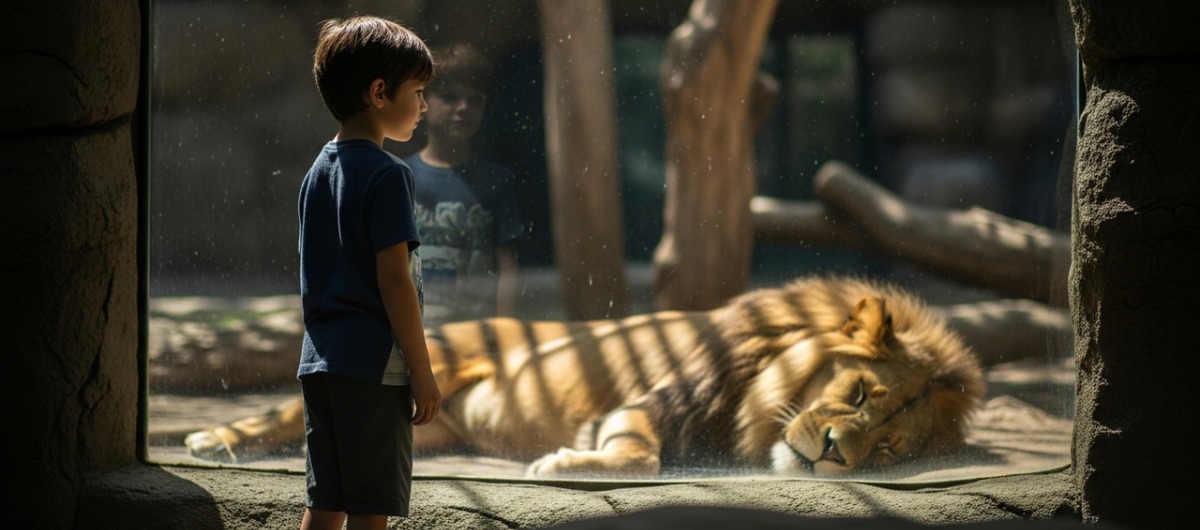
Pursuing a career as a zoologist develops skills that extend far beyond studying animals. Zoologists learn to observe complex systems with precision, think critically about evidence, and communicate scientific findings to audiences that range from fellow researchers to policymakers and the general public. These abilities are valuable in any career that demands careful analysis, clear communication, and the patience to pursue answers over time.
Critical Thinking
Zoologists must interpret large amounts of data, evaluate competing explanations for animal behavior, and design studies that account for the countless variables present in natural environments. A population decline could be caused by disease, habitat loss, climate shifts, predation, or a combination of factors, and determining the true cause requires rigorous analysis and a willingness to question assumptions. This habit of carefully examining evidence, considering alternative explanations, and drawing conclusions based on data builds a powerful mindset for any scientific, medical, policy, or analytical career.
Resilience
Zoological research rarely delivers quick answers. Field studies can take months or years, weather and animal behavior are unpredictable, and data collection in remote locations is physically and mentally demanding. Equipment fails, grant funding runs out, and sometimes years of work produce inconclusive results that require starting over with a new approach. Zoologists learn to absorb setbacks, adapt their methods, and maintain focus on long-term goals even when progress is slow. This ability to persist through difficulty and uncertainty is essential in any career where meaningful results require sustained effort.
Teamwork
Zoologists rarely work alone. Field research depends on coordinating with other scientists, local communities, park rangers, government agencies, and conservation organizations. A study of marine mammals might involve biologists, data analysts, boat operators, and policy advisors all working toward a shared goal. Zoologists learn to communicate across disciplines, divide responsibilities effectively, and trust their teammates in challenging and sometimes dangerous conditions. The ability to collaborate across diverse groups and contribute to a shared mission is valuable in any profession.
Explore more resources for a future Zoologist
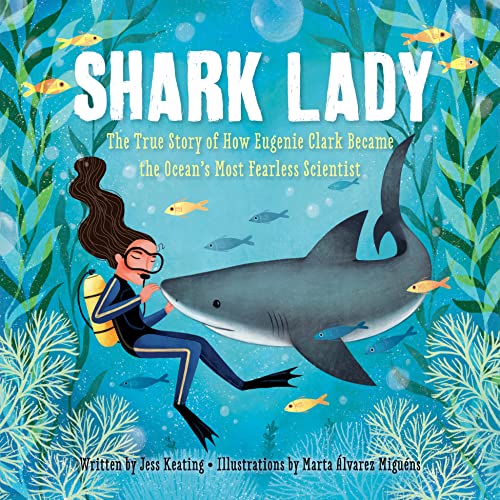
Shark Lady: The True Story of How Eugenie Clark Became the Ocean's Most Fearless Scientist (Women in Science Books, Marine Biology for Kids, Shark Gifts)
Keating, Jess
Why We Picked It
Career Connection
Zoologists who specialize in marine biology study animal behavior in some of the world's most challenging environments, and Eugenie Clark's pioneering research into shark behavior, done at a time when women were rarely welcomed in field science, makes her one of the most inspiring figures in the profession's history.

Lady with a spear
Clark, Eugenie
Why We Picked It
Career Connection
Zoologists conduct field research to observe, collect, and document animal species in their natural habitats, and Clark's account of using a speargun to collect Plectognathi specimens and study the behavior of poisonous tropical reef fish shows how scientific rigor and genuine love of animals drive the most impactful careers in wildlife science.

Steve & Me
Irwin, Terri
Why We Picked It
Career Connection
Zoologists document and protect animal species through fieldwork, conservation programs, and public education, and Steve Irwin's career combined all three with a joy and authenticity that inspired a generation to care about wildlife and the wild places animals need to survive.