
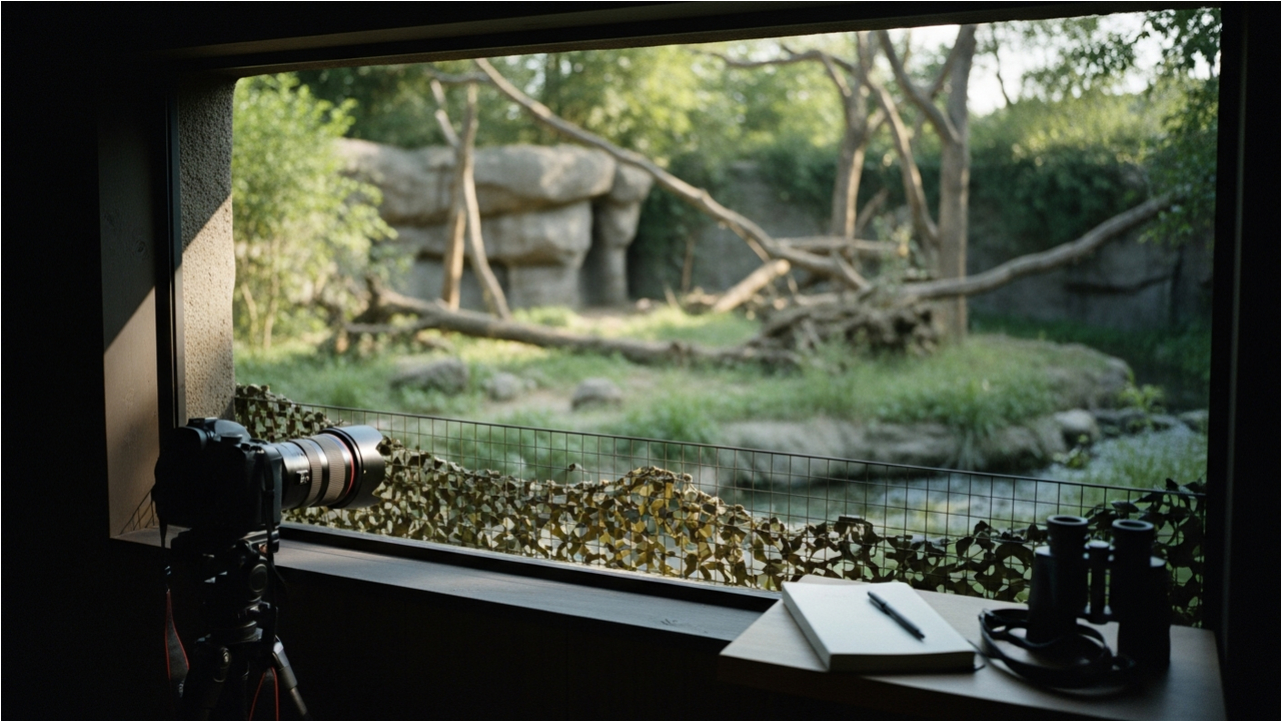
Did You Know?
A group of scientists once tracked a single Arctic tern on a migration journey of more than 44,000 miles in a single year, roughly the equivalent of flying from the North Pole to the South Pole and back again.
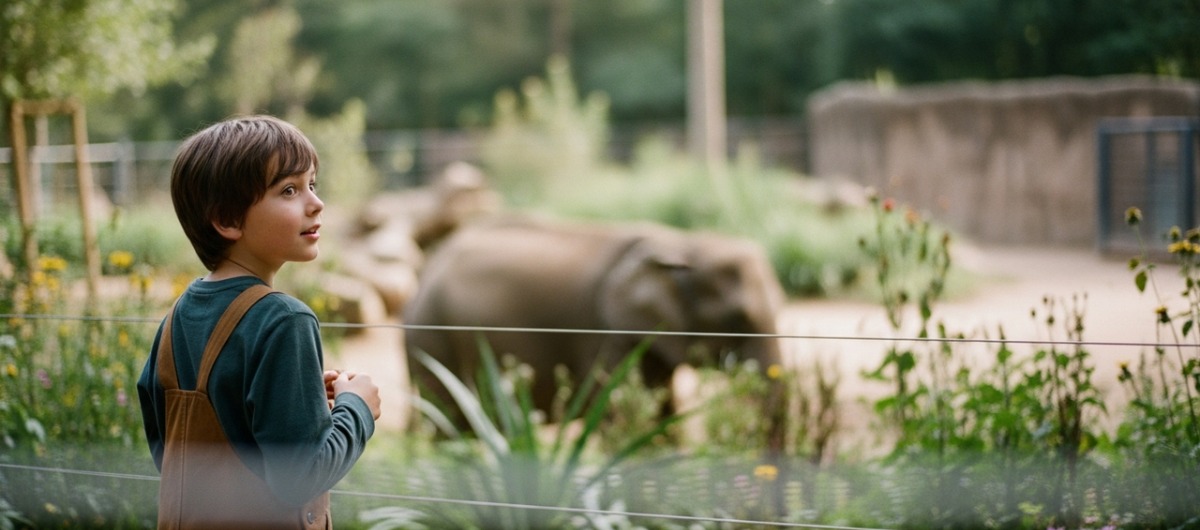
How to Get Started
Getting started in zoology begins with paying attention to the animals around you. Watching how birds, insects, and other creatures behave in your own neighborhood, asking questions about what you observe, and keeping records of what you notice are all early steps. The path from curious animal lover to professional zoologist is built on a habit of careful observation, a growing understanding of science, and a genuine desire to understand the natural world.
Explore the Basics
Choose an animal you can observe regularly, whether it is a pet, a backyard bird, or an insect near your home, and spend fifteen minutes watching it closely. Notice how it moves, what it eats, how it reacts to sounds or other animals, and anything that surprises you. Write down or draw what you observe. This kind of careful, patient watching is exactly how zoologists begin to understand animal behavior.
Try It Out
Create a simple field journal by folding paper into a booklet and using it to record observations of animals you encounter over the course of a week. For each animal, draw a picture, note where you saw it, what it was doing, and what questions it raised for you. Real zoologists keep detailed field notes on every observation, and starting this habit now trains you to notice things other people walk right past
Join the Community
Visit a local nature center or wildlife refuge and join one of their free or low-cost guided nature walks or junior naturalist programs. These programs let you explore local ecosystems with an expert who can help you identify animals, read animal signs like tracks and nests, and understand how different species depend on each other. Bring your field journal and record what you observe so you can keep learning after the walk.
How to Become a Zoologist
Explore more resources for a future Zoologist

Steve Irwin (Little People, BIG DREAMS, 104)
Sanchez Vegara, Maria Isabel
Why We Picked It
Career Connection
Zoologists study, protect, and advocate for animals in the wild, and Steve Irwin's life of hands-on animal care, wildlife conservation, and public education through his TV work shows young readers one of the most passionate and impactful careers in wildlife science the world has ever seen.