
Did You Know?
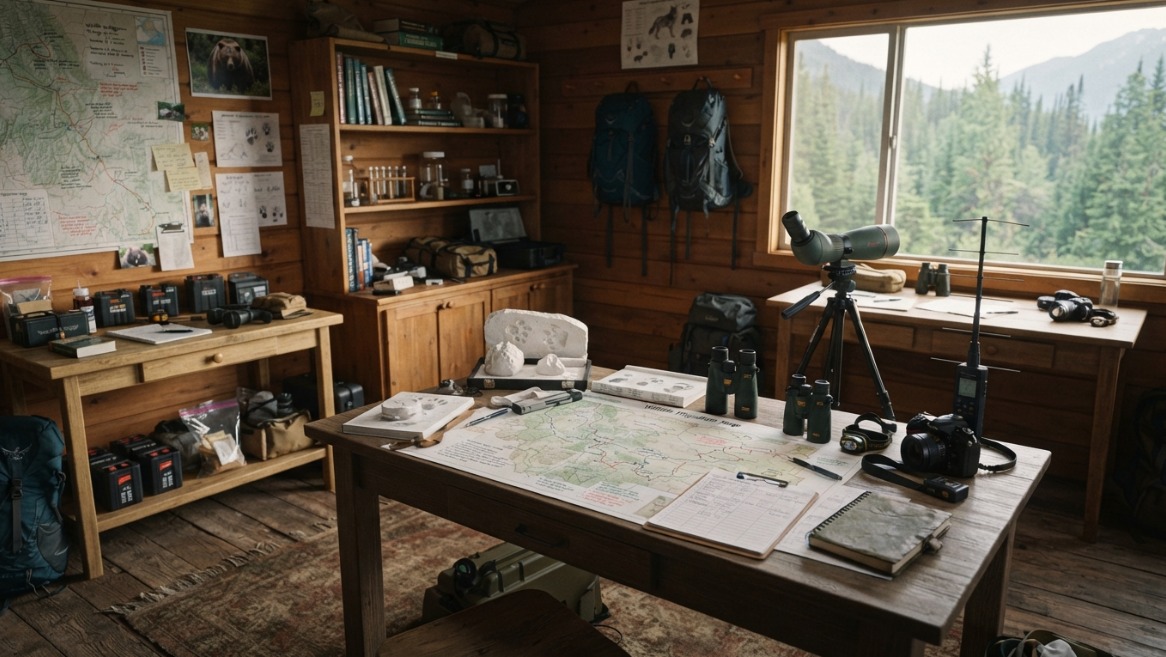
Many wildlife biologists do not keep traditional 9-to-5 hours. Some work through the night wearing night-vision goggles or infrared equipment, because the nocturnal animals they study, like owls, bats, and bobcats, are most active after dark.
How to Get Started
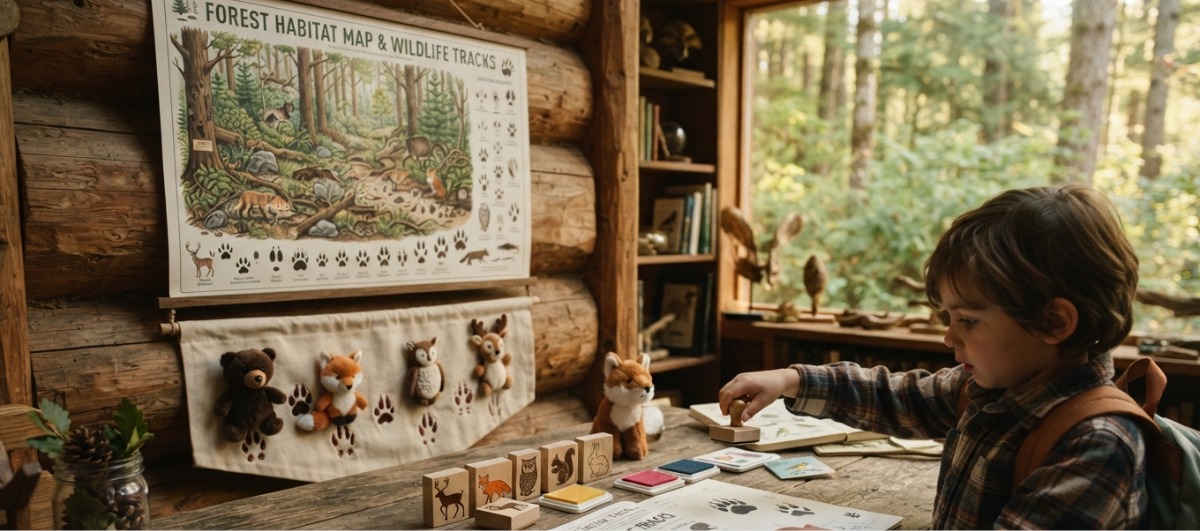
Getting started in wildlife biology begins with paying close attention to the animals and habitats around you, wherever you live. Building habits of careful observation, asking questions about animal behavior, and spending time outdoors are steps every wildlife biologist took long before their first job. You do not need to wait until college to start thinking and observing like a scientist.
Explore the Basics
Take a "nature walk notebook" outside with you and draw or write down every animal, footprint, or nest you notice for fifteen minutes. Try to guess what each animal was doing and why, the same kind of thinking wildlife biologists use every day.
Try It Out
Set up a simple bird feeder or shallow water dish in your yard or a nearby park and watch which animals visit over a few days. Keep a tally of what you see and try to notice patterns, like which animals show up at certain times of day.
Join the Community
Ask a parent or caregiver to take you to a local nature center, zoo, or aquarium and ask a staff member what a wildlife biologist's day looks like. Many nature centers offer free family programs where kids can meet real scientists and see animals up close.