
Did You Know?
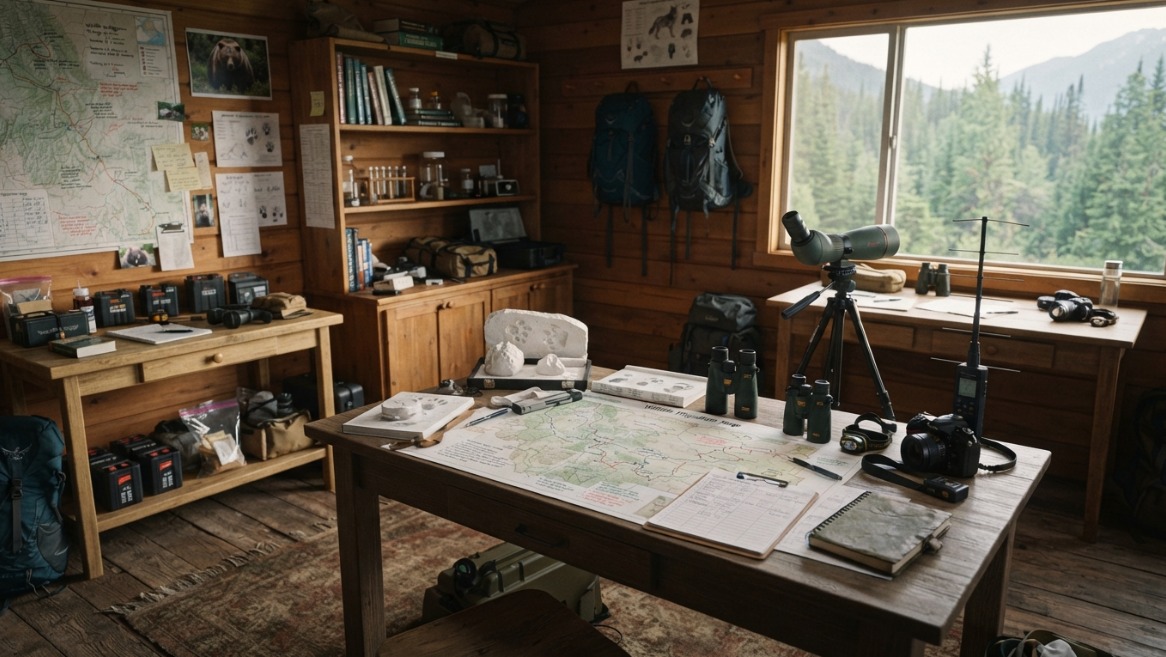
Many wildlife biologists do not keep traditional 9-to-5 hours. Some work through the night wearing night-vision goggles or infrared equipment, because the nocturnal animals they study, like owls, bats, and bobcats, are most active after dark.
What Wildlife Biologists Really Do
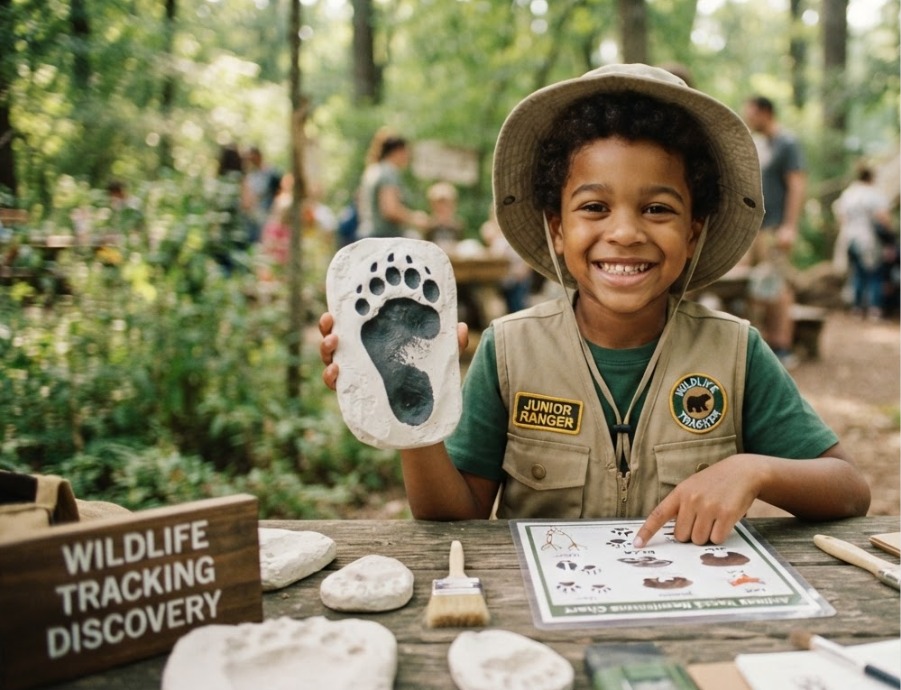
Imagine walking through a forest at sunrise, listening for the calls of birds hidden in the trees, or crouching by a stream to spot the muddy tracks of a raccoon. This is what many wildlife biologists do every day. Wildlife biologists are scientists who study animals in the wild, learning how they eat, move, raise their young, and survive. They watch animals up close using tools like binoculars, cameras, and sometimes even GPS collars to follow where a creature goes. Their work helps people understand and protect the wild animals that share our planet.
Wildlife biologists do not just work in one kind of place. Some spend their days wading through wetlands counting frogs, while others climb mountains to study wild sheep or paddle rivers to check on otters. They write down everything they observe and use that information to help animals that are struggling to find food, shelter, or safe places to raise their young. If you love animals, enjoy being outside, and ask a lot of questions about how nature works, you might already think like a wildlife biologist.
You Might Love This If...
Skills That Follow You Everywhere
Studying wildlife builds far more than field notes and species lists. Wildlife biologists learn to read the emotional and physical state of creatures who cannot speak for themselves, explain complicated science to people who need to understand it, and adjust their plans the moment nature refuses to cooperate. These skills carry over into nearly any career or relationship.
Adaptability
Weather changes, animals do not show up, and equipment fails miles from the nearest road. Wildlife biologists learn to adjust their plans quickly, stay flexible when a research site does not go as expected, and find a new approach when the first one does not work.
Communication
A wildlife biologist's research only makes a difference if it reaches the people who can act on it, from local landowners to lawmakers. Learning to explain complex science in clear, honest language, and to truly listen to the concerns of others, is part of the job every single day.
Empathy
Wildlife biologists spend their careers trying to understand animals that cannot tell them what they need, noticing subtle signs of stress, hunger, or distress in an animal's behavior and body language. Practicing this kind of careful, caring attention builds empathy that shapes how they treat people too.