
Did You Know?
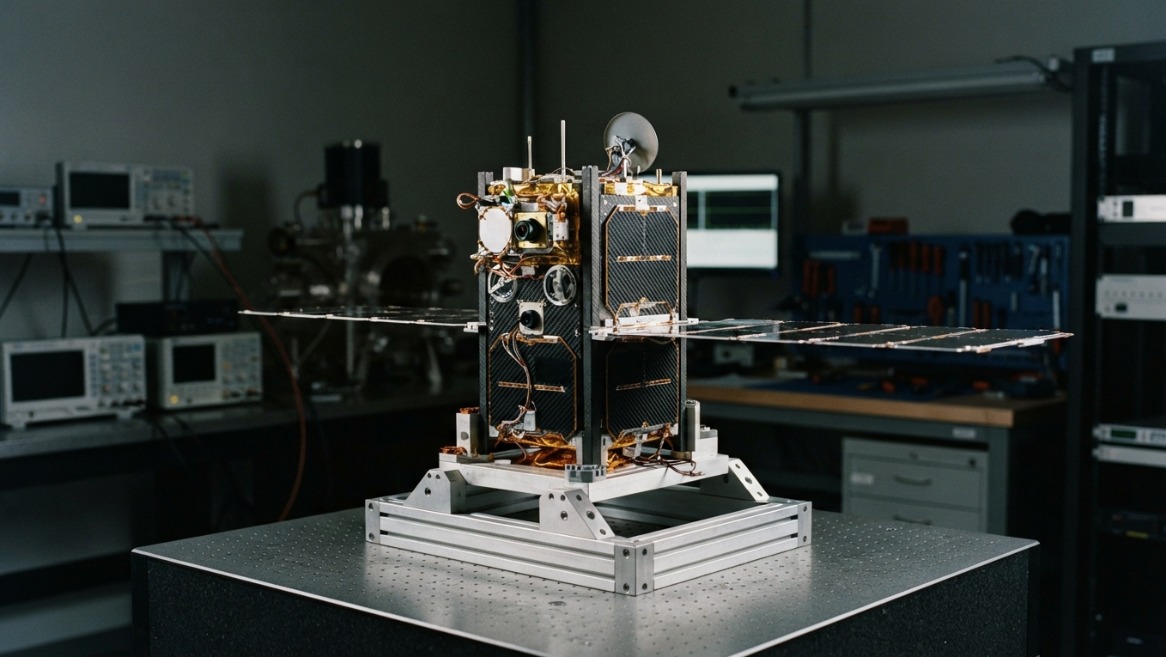
A single jet engine has more than 20,000 individual parts, and aerospace engineers test how every one of them works together before the engine ever leaves the ground.
What Aerospace Engineers Really Do
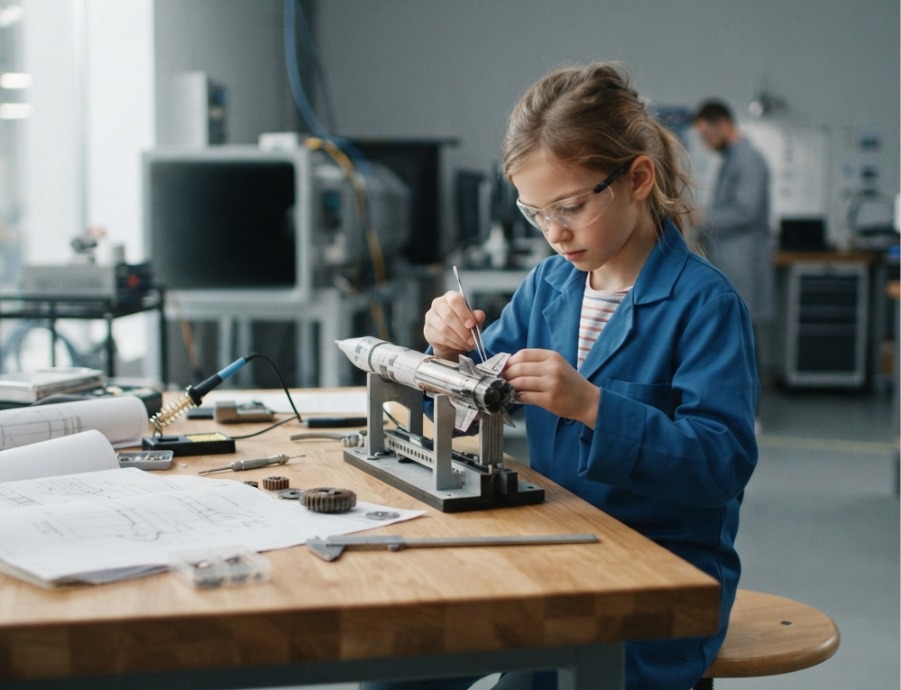
Have you ever watched a plane cut across the sky and wondered how something so big can fly? An aerospace engineer is the person who helps figure that out. They design airplanes, helicopters, rockets, and even spacecraft that travel all the way to other planets. They think about how air moves over a wing, how a rocket pushes itself off the ground, and how to keep people and equipment safe while flying thousands of feet in the air or millions of miles into space.
Aerospace engineers spend a lot of time testing their ideas. They build models, run experiments in wind tunnels, and use computers to imagine how a new design might fly before it is ever built for real. They work with big teams, and everyone has to do their part carefully, because even a small mistake can be a big problem when something is flying at incredible speeds. If you love building things, asking how stuff works, and dreaming about what is beyond our planet, you already think a little like an aerospace engineer.
You Might Love This If...
Skills That Follow You Everywhere
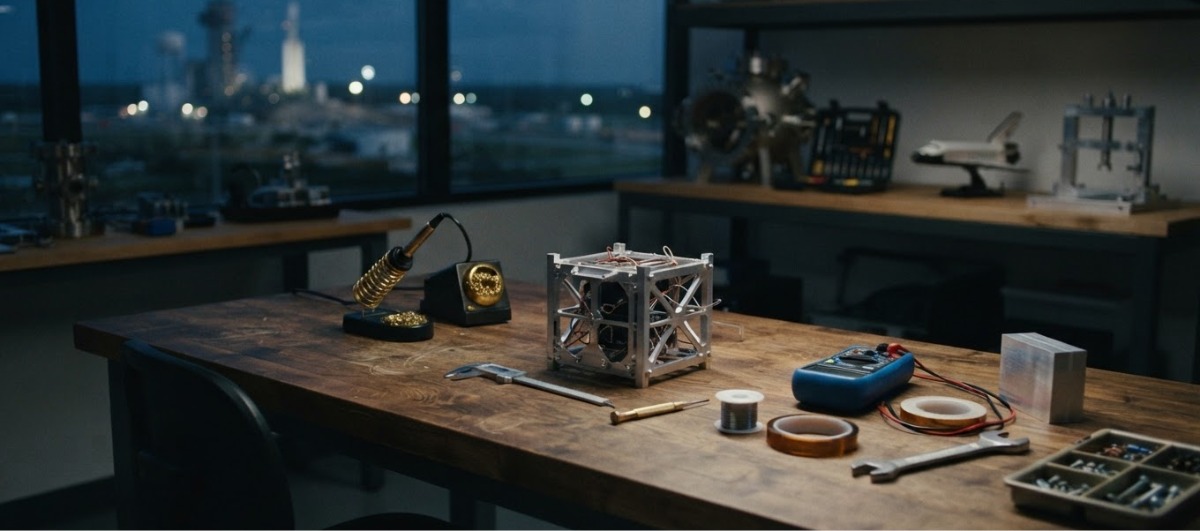
Pursuing a career as an aerospace engineer builds skills that go far beyond designing planes and rockets. Future aerospace engineers learn to think critically about complex systems, solve problems with no easy answers, and find creative solutions when the obvious approach will not work. These abilities are valuable in any field that rewards careful thinking, persistence, and original ideas.
Critical Thinking
Designing something that has to fly safely requires understanding a situation completely before making a decision. Aerospace engineers study data from wind tunnel tests, simulations, and past missions, asking careful questions about what could go wrong and why. Like a detective examining every clue, they look at a design from every angle before deciding it is ready to test. This habit of slowing down to understand a problem fully, instead of jumping to conclusions, is valuable in any career where decisions carry real consequences.
Creativity
Some of the biggest breakthroughs in flight and space travel came from engineers willing to challenge old assumptions, like reusing a rocket booster instead of throwing it away after every launch. Aerospace engineering rewards people who can imagine unconventional shapes, materials, or systems and are not afraid that an idea might not work the first time. This kind of creative risk-taking, paired with rigorous testing, is what turns wild ideas into real vehicles that fly.
Problem-Solving
Once an aerospace engineer understands a challenge, like a wing that creates too much drag or a heat shield that needs to withstand extreme temperatures, they move into testing solutions, fixing what does not work, and trying again. Spacecraft and aircraft rarely work perfectly on the first try, so engineers build in time to test, fail safely, and improve. This process of trying ideas, learning from what does not work, and refining a design builds resilience and resourcefulness that matter far beyond the workshop or lab.