
Did You Know?
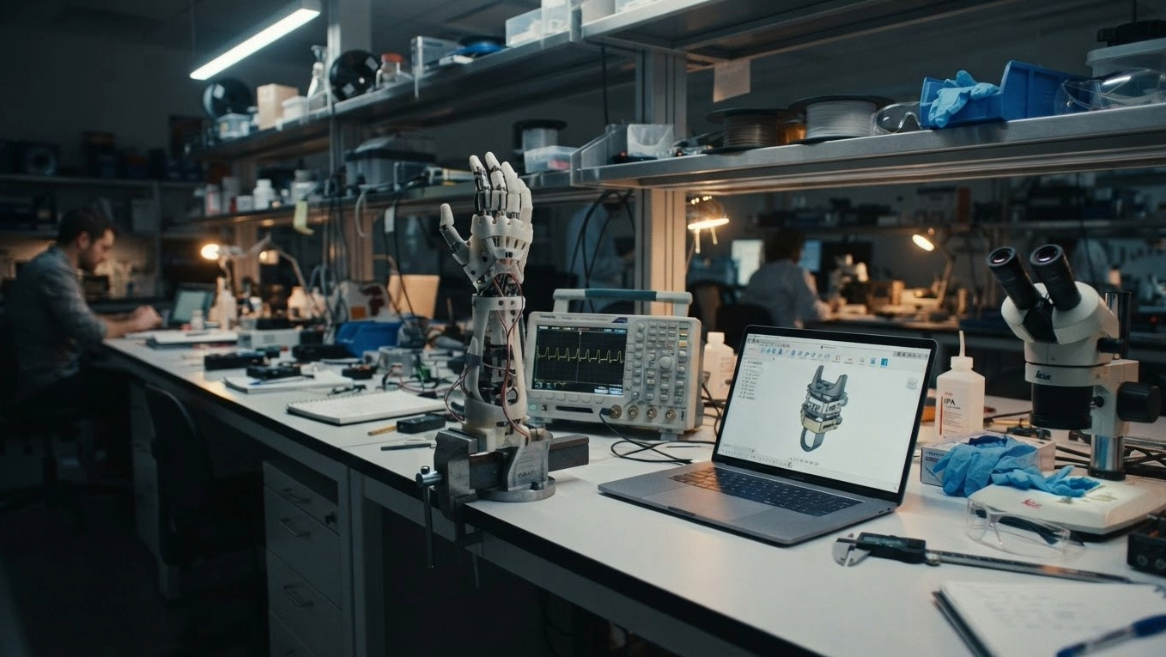
A robotic prosthetic arm approved in 2014 was nicknamed the "Luke" arm, after Luke Skywalker's bionic hand in Star Wars. It reads electrical signals from the muscles in a person's remaining arm, and testers could use it to zip a coat, turn a key, and pick up an egg without cracking it.
How to Get Started
Getting started in biomedical engineering begins with two kinds of curiosity: curiosity about how the body works and curiosity about how things are built. You do not need a lab or expensive equipment to begin. Simple building projects, a habit of asking how medical technology works, and a willingness to test and improve your ideas are the same habits that working biomedical engineers rely on every day.
Explore the Basics
Start noticing the engineering that helps bodies work. Look closely at a pair of glasses, a hearing aid, a cast, or a wheelchair and think about what problem each one solves and how it was designed. When you visit the doctor or dentist, ask what the different tools and machines do. An engineer designed each one after first understanding the body.
Try It Out
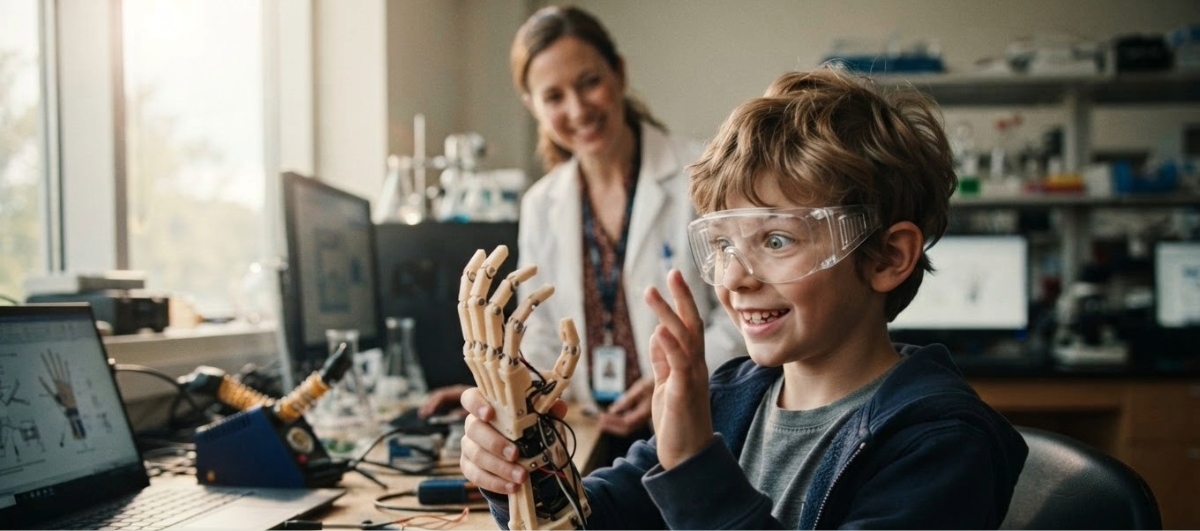
Build a model hand out of cardboard, drinking straws, and string. Tape the straws to the cardboard fingers as bones, thread string through them as tendons, and pull the strings to make the fingers curl. Then try to improve it so it can pick up a small object like a crayon. Testing a design, finding what does not work, and fixing it is exactly what biomedical engineers do.
Join the Community
Visit a science museum or children's museum with a parent or caregiver and look for exhibits about the human body, robots, or how things are built. Many libraries and community centers also offer LEGO, robotics, or maker clubs for younger kids. Building alongside other curious kids is a fun way to start thinking like an engineer.