
Did You Know?
A single lightning bolt can heat the air around it to about 50,000 degrees Fahrenheit, roughly five times hotter than the surface of the sun.
What Meteorologists Really Do
Imagine waking up and looking out the window to see dark clouds rolling in. You wonder whether it is going to rain and if recess might be moved inside. Now imagine being the person whose job it is to figure all of that out and tell everyone what weather to expect so they can plan their day. That is what a meteorologist does. They study the sky and the temperatures, read data from weather tools, and help people plan their day by predicting what the weather will do next.
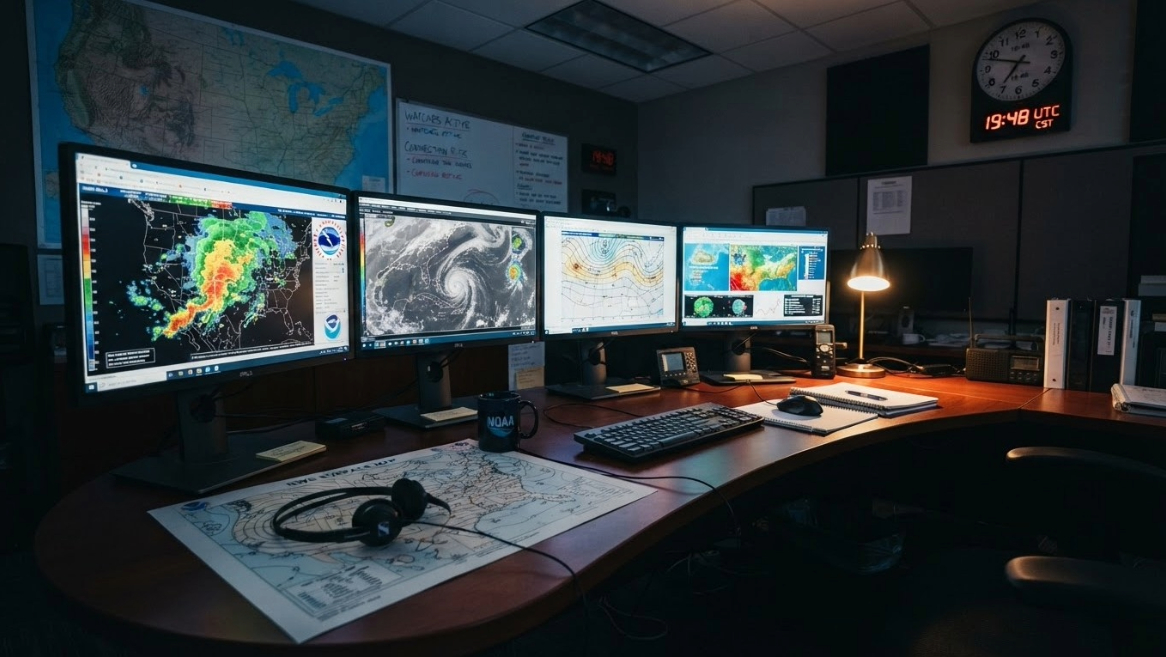
Meteorologists use tools like thermometers, rain gauges, weather balloons, and radar to observe what is happening in the atmosphere. They look at patterns in the clouds, wind, and temperature to figure out whether a sunny day will stay sunny or whether a storm is on the way. If you have ever been curious about why the sky turns green before a big storm, why snowflakes look the way they do, or what makes a rainbow appear, you are already thinking like a meteorologist.
You Might Love This If...

Skills That Follow You Everywhere
Meteorology builds skills that reach far beyond reading a weather map. Every day, meteorologists must explain complex science in simple terms, adjust their thinking when conditions change without warning, and work through difficult questions with limited time. These are skills that matter in almost any career.
Adaptability
Weather is one of the most unpredictable forces on the planet, and meteorologists have to be ready to change course at a moment's notice. A forecast that looks accurate in the morning can shift dramatically by the afternoon, and a meteorologist must quickly reassess new data, update their predictions, and communicate the changes with confidence. They learn to treat unexpected changes as part of the job rather than as failures, staying flexible in their approach while staying committed to getting the best information to the people who need it. This ability to adapt quickly, think clearly under pressure, and adjust plans in real time is one of the most valuable skills a meteorologist develops, and it applies to challenges far beyond the weather.
Problem-Solving
Every forecast is a problem to solve. Meteorologists work with incomplete and sometimes conflicting data from dozens of sources, including radar, satellites, weather balloons, and computer models, and they must piece it all together to build the most accurate picture of what the public can expect. When two models disagree on where a storm will track, or when observations on the ground do not match what the models predicted, meteorologists use their training and judgment to work through the uncertainty and make the best call they can. This kind of structured problem solving, gathering evidence, testing ideas, and making decisions when the answer is not perfectly clear, is a skill that serves people well in science, business, medicine, and beyond.
Communication
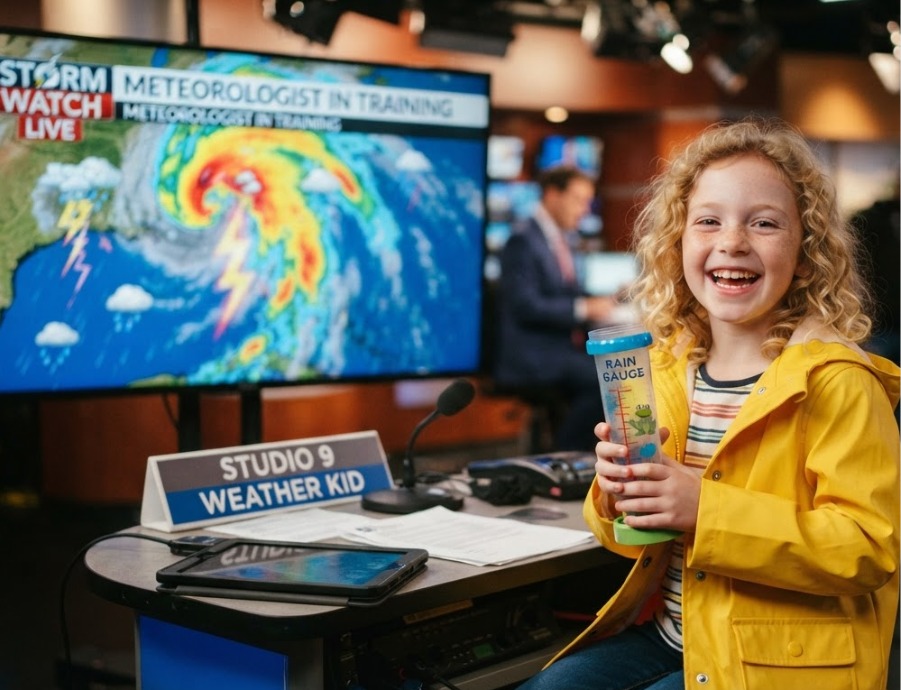
Meteorologists spend a large part of their time turning complicated scientific data into information that everyone can understand and act on. Whether they are delivering a forecast on live television, writing a severe weather alert, or briefing emergency managers before a hurricane, the ability to communicate clearly can be the difference between people being prepared and people being caught off guard. They learn to match their message to their audience, explaining the same storm differently to a room full of scientists than to a family watching the evening news. Building the skill of communicating complex ideas in a simple, honest, and urgent way is something meteorologists practice constantly, and it is a skill that transfers to nearly any career.