
Did You Know?
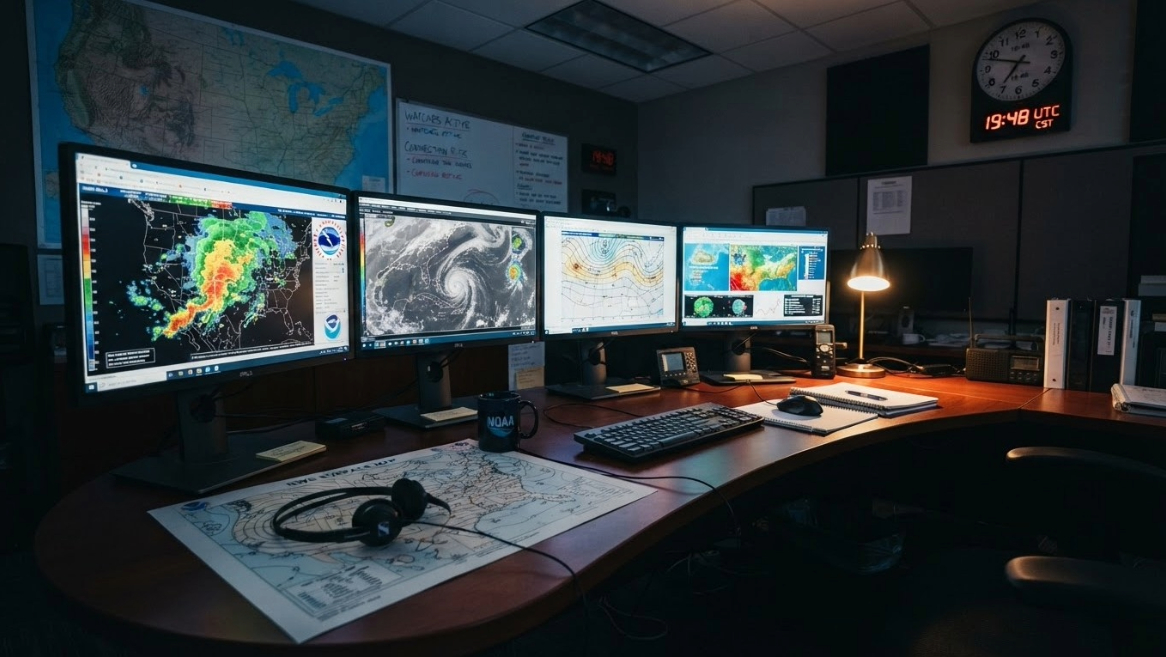
A single lightning bolt can heat the air around it to about 50,000 degrees Fahrenheit, roughly five times hotter than the surface of the sun.
How to Get Started
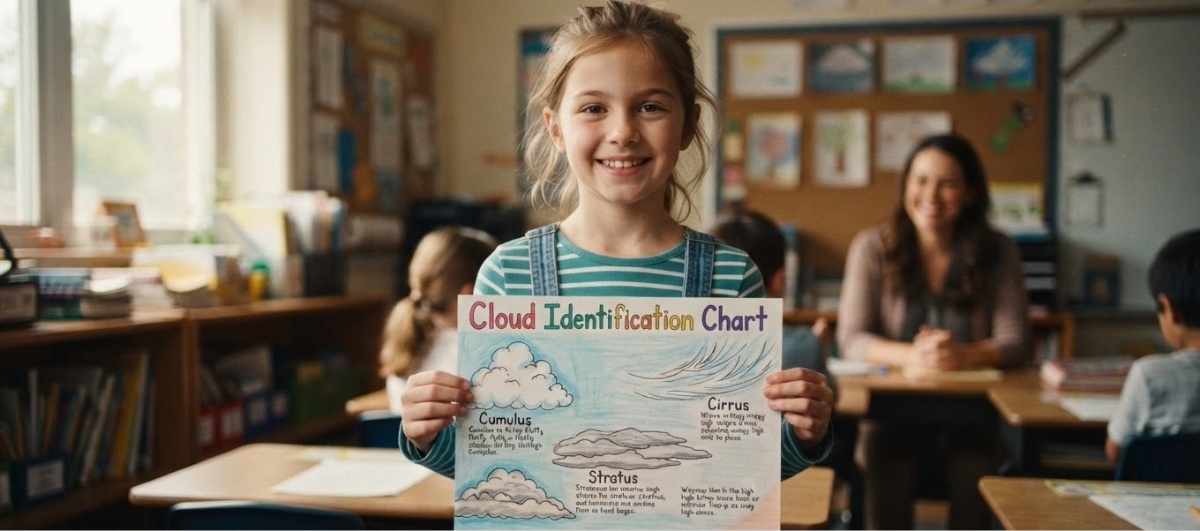
Getting started on the path to meteorology begins with curiosity about the weather and a willingness to observe the world around you. Almost every meteorologist traces their interest back to a childhood moment of watching a storm, wondering why the sky changed color, or asking what makes the wind blow. The habits of observation, questioning, and exploring that you build now are the same habits meteorologists rely on throughout their careers.
Explore the Basics
Pick a week and keep a simple weather journal. Each morning and evening, step outside and write down what the sky looks like, how the air feels, and whether it is windy, rainy, or sunny. At the end of the week, look back at your notes and see if you can spot any patterns, like whether cloudy mornings led to afternoon rain or if hot days had more thunderstorms. Noticing patterns in the weather is exactly how meteorologists start building their forecasts.
Try It Out
Build a simple rain gauge using a clear plastic bottle and a ruler, and set it outside during the next rainstorm. Measure how much rain collects and compare it to the official rainfall reported in your area. Collecting your own weather data is one of the first things meteorologists learn to do.
Join the Community
Ask a parent or caregiver to help you find a local science museum, nature center, or weather station that offers tours or kid-friendly programs about weather. Some National Weather Service offices hold open houses where you can see real radar equipment and talk to working meteorologists. Seeing the tools and people behind the forecast helps make the science of weather feel real and exciting.