
Did You Know?
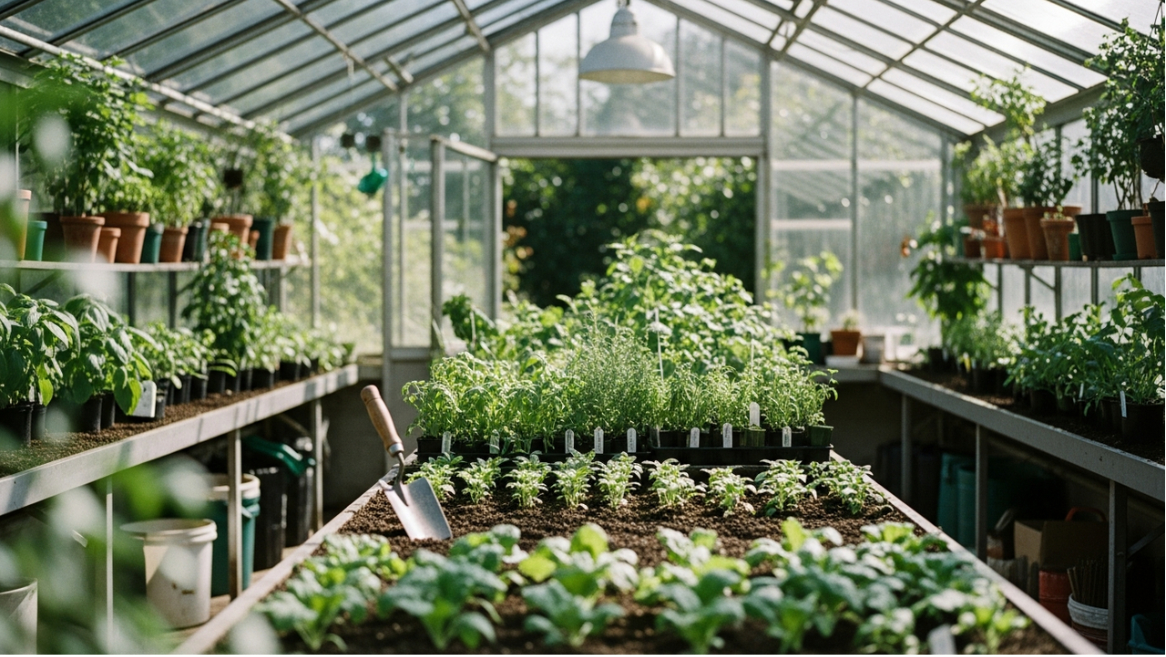
A single mature tree can absorb roughly 48 pounds of carbon dioxide per year and release enough oxygen for two people to breathe. Urban horticulturists select and place trees strategically to improve air quality, reduce heat, and manage stormwater in cities.
How to Get Started
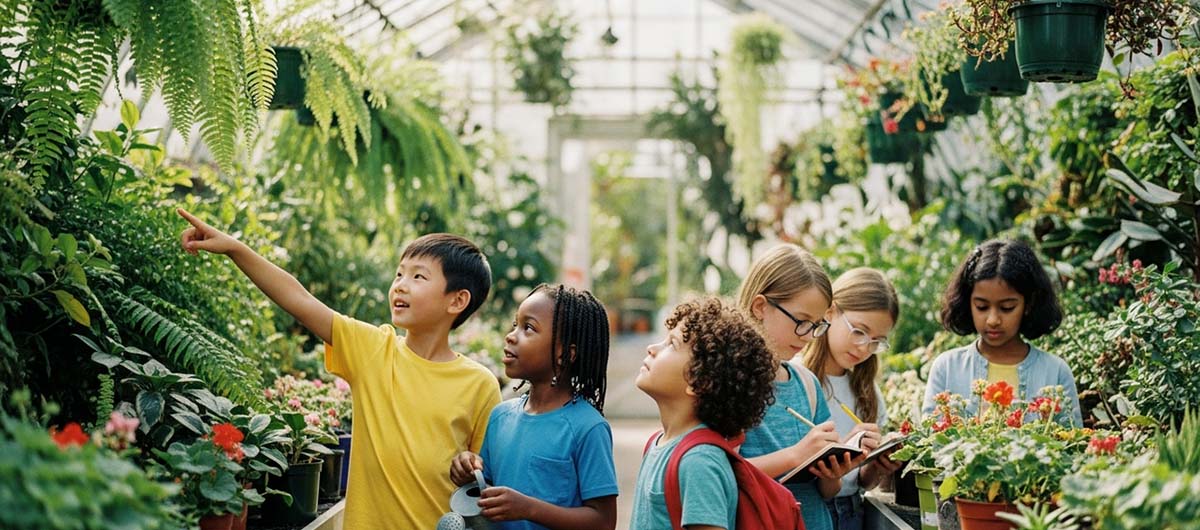
Getting started in horticulture begins with curiosity about how plants grow and a willingness to put your hands in the soil. Growing something from seed, observing how plants respond to care and conditions, and exploring the green spaces around you are all early steps. The path from curious gardener to professional horticulturist is built on patience, observation, and a genuine connection to living things.
Explore the Basics
Pick three plants in or around your home and observe them closely for two weeks, noting how they change with watering, sunlight, and temperature. Sketch what you see and write down questions about why one plant's leaves droop while another stands tall. Building the habit of careful observation is how horticulturists begin to understand what plants need.
Try It Out
Collect seeds from fruits or vegetables at home, like tomatoes, peppers, or squash, and try sprouting them in damp paper towels inside a sealed plastic bag. Once they sprout, transfer them to small pots of soil and see how they develop. Learning how seeds germinate is a foundational skill every horticulturist builds on.
Join the Community
Visit a local botanical garden, arboretum, or garden center and pay close attention to how different plants are grouped and labeled. Notice which plants need sun and which prefer shade, which ones have thick waxy leaves and which have thin delicate ones, and talk about why those differences might matter. Understanding that different plants need different conditions is one of the first things horticulturists learn.
How to Become a Horticulturist
Explore more resources for a future Horticulturist

Plant Factory: An Indoor Vertical Farming System for Efficient Quality Food Production
Why We Picked It
Career Connection
Horticulturists who specialize in controlled environments manage precisely the systems this book covers, and its technical depth offers a genuine preview of the knowledge and engineering that modern indoor food production demands.

Resilient Agriculture: Expanded & Updated Second Edition: Cultivating Food Systems for a Changing Climate
Lengnick, Laura
Why We Picked It
Career Connection
Horticulturists manage crops through the unpredictability of climate and season, and this book's real-world examples of adaptive practice and resilient design show how plant science and innovation keep food systems functioning when conditions become difficult.

Botany Board Game | Family Board Game | Victorian Flower Hunting for Plant Lovers | Ages 8 and Up | for 1-5 Players | Easy to Learn - by Dux Somnium Games
Why We Picked It
Career Connection
Horticulturists and botanists have always been driven by a passion for discovering, classifying, and cultivating plants from every corner of the world, and Botany channels that spirit of plant-obsessed exploration into a genuinely fun and competitive format.