
Did You Know?
A single mature tree can absorb roughly 48 pounds of carbon dioxide per year and release enough oxygen for two people to breathe. Urban horticulturists select and place trees strategically to improve air quality, reduce heat, and manage stormwater in cities.

What Horticulturists Really Do
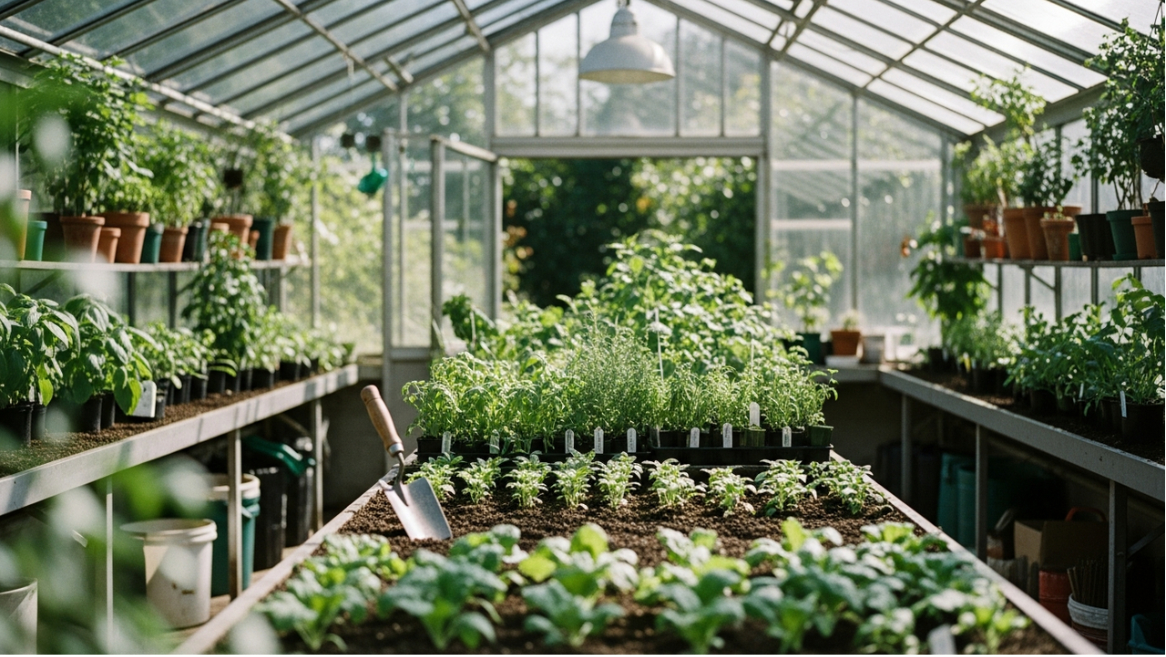
You walk into a giant greenhouse, and the air feels warm and damp, like a tropical rainforest. Rows of plants stretch out in every direction, some covered in bright flowers, others heavy with tomatoes still ripening on the vine. A horticulturist is carefully checking each plant, feeling the soil, looking at the leaves, and deciding exactly how much water and sunlight each one needs to grow its best. This is what horticulturists do. They are the experts who understand how plants grow, what they need to stay healthy, and how to use them to make the world around us more beautiful, more productive, and more alive.
Thinking as a horticulturist starts with noticing the plants around you. Why do some flowers bloom in spring and others in fall? Why does the grass turn brown in summer but come back green after rain? How does a tiny seed know which way to send its roots? Horticulturists are curious about these questions and love spending time outside, digging in the dirt, and watching how living things respond to care and attention. If you are the kind of person who gets excited about planting something and watching it grow, you are already on your way.
You Might Love This If...

Skills That Follow You Everywhere
Being a horticulturist builds skills that reach far beyond the garden and the greenhouse. Horticulturists learn to think creatively about living spaces, solve layered problems in unpredictable conditions, and manage complex projects where timing and precision determine success. These abilities are valuable in any career that requires planning, resourcefulness, and attention to detail.
Creativity
Horticulturists design landscapes, plant displays, and growing systems that have to be both functional and visually compelling. Choosing which plants to combine, how to arrange them for seasonal color and texture, and how to work within the constraints of a specific site requires imagination grounded in scientific knowledge. This blend of artistic vision and technical understanding builds a creative mindset that transfers to any field where design, innovation, and practical problem-solving intersect.
Problem-Solving
A wilting plant, a crop showing signs of disease, or a landscape that is not draining properly all require careful investigation and a thoughtful response. Horticulturists gather clues from soil conditions, weather patterns, pest activity, and plant behavior to diagnose problems and develop targeted solutions. This habit of observing closely, testing ideas, and adjusting based on results builds a problem-solving approach that is effective in any profession.
Organization
Horticulturists manage planting schedules, growing timelines, inventory, budgets, and maintenance plans that must work together across weeks, months, and seasons. A greenhouse operation might have hundreds of plant varieties at different growth stages, each with its own watering, feeding, and light requirements. Keeping all of those details coordinated and on track builds organizational skills that are essential in any career where managing multiple moving parts determines success.
Explore more resources for a future Horticulturist

Trees, Leaves, Flowers & Seeds: A Visual Plant Encyclopedia for Kids (DK Our World in Pictures)
DK
Why We Picked It
Career Connection
Horticulturists spend their careers learning the diversity, biology, and characteristics of plants from around the world, and the wide-eyed curiosity this encyclopedia sparks in young readers is the most natural foundation of a lifetime of botanical work.

Resilient Agriculture: Expanded & Updated Second Edition: Cultivating Food Systems for a Changing Climate
Lengnick, Laura
Why We Picked It
Career Connection
Horticulturists manage crops through the unpredictability of climate and season, and this book's real-world examples of adaptive practice and resilient design show how plant science and innovation keep food systems functioning when conditions become difficult.

The Garden of Invention: Luther Burbank and the Business of Breeding Plants
Smith, Jane S.
Why We Picked It
Career Connection
Horticulturists who specialize in plant breeding select and develop new varieties with desired traits, and Burbank's work developing hundreds of new plant types shows what that creative, scientific process looks like in its most celebrated practitioner.