Photo: Luca Galuzzi, CC BY-SA 2.5 <https://creativecommons.org/licenses/by-sa/2.5>, via Wikimedia Commons
What It Is
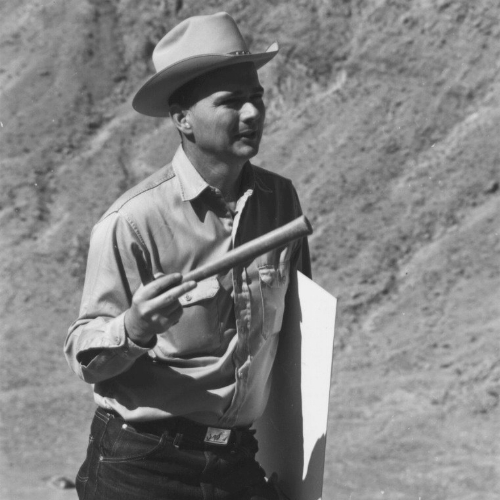
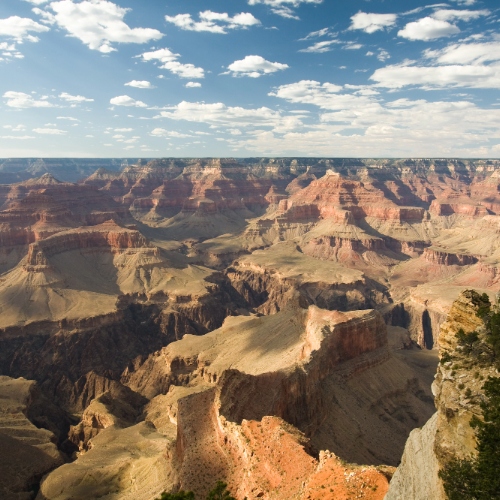
The Grand Canyon in northern Arizona stretches about 278 miles along the Colorado River, which carved it. It is up to 18 miles wide and about a mile deep on average. Its walls are a stack of rock layers, from rocks about 1.8 billion years old at the bottom to rocks about 270 million years old at the rim, formed in ancient seas, deserts, and rivers. In 1869, John Wesley Powell, a geology professor who had lost his right arm in the Civil War, led nine other men in four boats nearly 1,000 miles down the Green and Colorado rivers, including through the Grand Canyon. Eleven Native American tribes have traditional ties to the canyon, and the Havasupai and Hualapai still live in and along parts of it today. Geologists still argue about how old the canyon is, with some finding that the river carved much of it in the last five or six million years and others finding signs that parts of it are far older.
Why It Matters
The canyon lets geologists read a huge stretch of Earth’s history in one place, since the layers are exposed from the rim all the way down to the river. In some spots, a gap called the Great Unconformity stands for about 1.2 billion years of missing rock, and geologists still debate what removed it. Powell went on to direct the U.S. Geological Survey from 1881 to 1894. Today geologists still use the canyon as an outdoor lab for studying how rivers cut through rock, how layers record past climates, and how mountains rise and wear away. A place visited by millions of people every year still holds questions that nobody has answered.