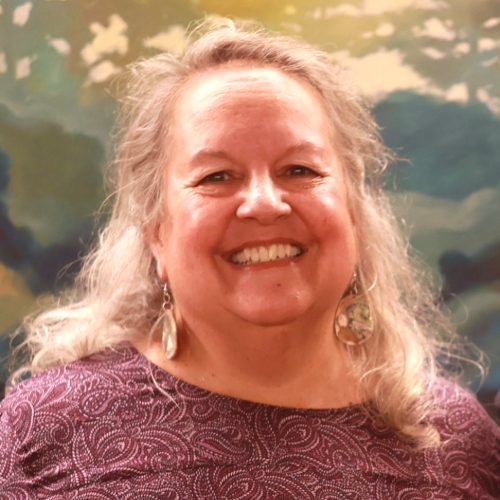
Photo: Indiana Humanities, CC BY-SA 2.0 <https://creativecommons.org/licenses/by-sa/2.0>, via Wikimedia Commons
Who She Is
Robin Wall Kimmerer is a botanist, ecologist, author, and enrolled member of the Citizen Potawatomi Nation whose work explores the intersection of Indigenous knowledge and Western plant science. Born in 1953, Kimmerer grew up in the Adirondack Mountains of New York and earned her Ph.D. in plant ecology from Syracuse University. She is a professor at the SUNY College of Environmental Science and Forestry and the founder and director of the Center for Native Peoples and the Environment, which develops programs that weave together Indigenous and scientific perspectives on land stewardship. Her book Braiding Sweetgrass: Indigenous Wisdom, Scientific Knowledge, and the Teachings of Plants, published in 2013, became an unexpected phenomenon, spending years on bestseller lists and reaching readers far beyond the scientific community. In it, she argues that science and Indigenous knowledge are not opposites but complementary ways of understanding and honoring the natural world.
Why She Matters
Robin Wall Kimmerer matters because she expanded the conversation about what ecological knowledge looks like and who it comes from. She challenged the scientific community to consider what it might learn from Indigenous traditions of observation, relationship, and reciprocity that have sustained ecosystems for thousands of years. Her work demonstrates that the most powerful ecological science is not only rigorous but also deeply ethical, asking not just how ecosystems function but how humans should live within them. For young people exploring ecology, Kimmerer's career offers a vision of the field that is scientifically demanding, culturally generous, and grounded in genuine love for the living world.