
Did You Know?
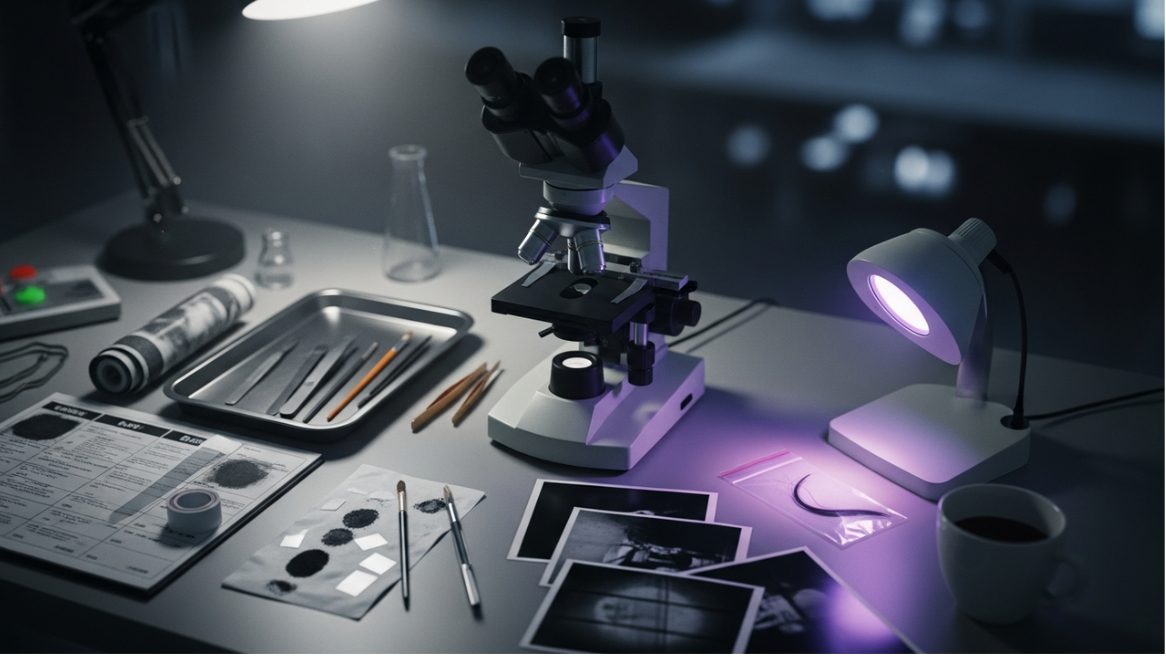
A chemical called luminol glows bright blue when it comes into contact with even tiny traces of blood, even after a surface has been thoroughly scrubbed. Forensic scientists have used luminol to detect blood that is decades old, long after any visible trace has disappeared.
The Numbers Behind the Career
There were about 20,700 forensic science technician jobs in the U.S. in 2024.
The 2024 median annual salary for forensic science technicians was $67,440.
About 2,900 openings for forensic science technicians are projected annually over the next decade.
Where This Career Is Headed
Forensic science is being transformed by advances in DNA technology, digital evidence, and artificial intelligence, expanding both what investigators can learn from evidence and the standards of accuracy courts demand. Next-generation DNA sequencing enables detailed physical descriptions of unknown individuals from a single biological sample, while rapid DNA systems can return results in hours rather than weeks. At the same time, the explosive growth of digital evidence, from smartphones and surveillance footage to social media and cloud data, is creating an entirely new branch of the field that did not exist a generation ago. As technology becomes more powerful, so does the scrutiny of how it is used, making the integrity and transparency of forensic methods more important than ever.
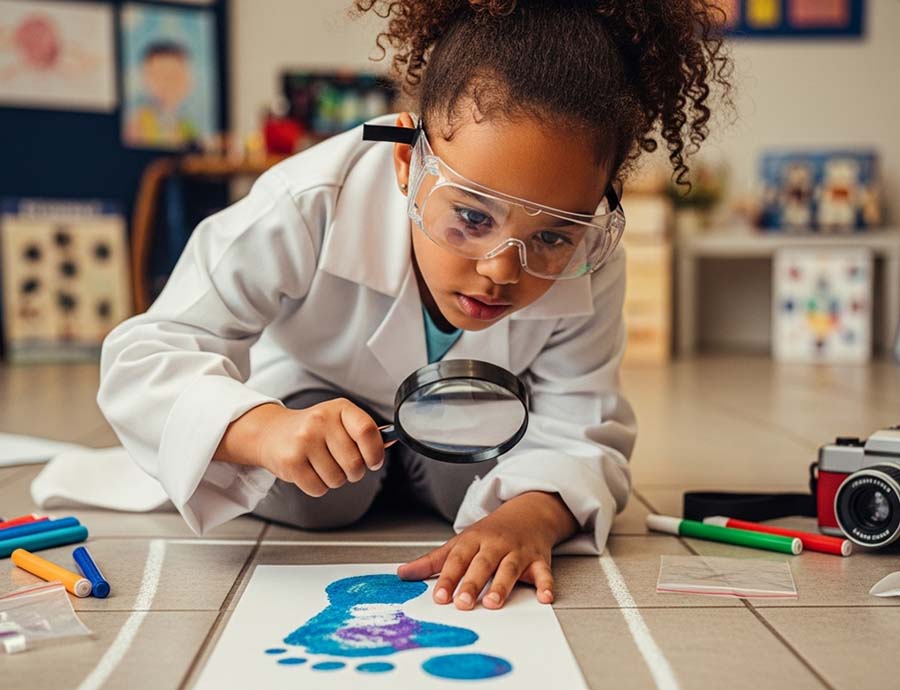
Advances in rapid DNA analysis and forensic genomics will give investigators faster, more detailed biological evidence, creating demand for forensic scientists trained in next-generation sequencing and genetic interpretation.
The rapid expansion of digital forensics, covering everything from encrypted devices and social media to financial records and surveillance systems, will create a growing need for specialists who can recover, authenticate, and analyze electronic evidence.
Ongoing efforts to audit and reform forensic disciplines, including bite mark analysis, hair comparison, and other pattern-based methods, will create opportunities for scientists to develop and validate more rigorous, scientifically grounded standards.
Education & Certification
Forensic scientists typically hold a bachelor's degree in forensic science, chemistry, biology, or a closely related natural science. Strong undergraduate training in laboratory methods, statistics, and scientific writing is essential, as the work demands both technical accuracy and the ability to document findings that withstand legal scrutiny. Many positions in specialized areas such as DNA analysis, toxicology, or digital forensics often require or prefer a master's degree, which allows forensic scientists to develop deeper expertise and take on more complex casework. Some forensic scientists pursue doctoral degrees to lead research programs, develop new analytical methods, or testify as expert witnesses in high-profile cases.
Licensure requirements for forensic scientists vary by state and specialty, but many positions in government crime laboratories require passing a background check and meeting specific education standards. Professional certifications, such as those offered by the American Board of Criminalistics or the International Association for Identification, are optional but can strengthen a candidate's qualifications and demonstrate mastery of specific forensic disciplines. Staying current through continuing education is especially important in a field where methods are regularly challenged in court, and new technologies emerge continuously.
To Prepare…
Take rigorous coursework in chemistry, biology, and physics, as these subjects provide the scientific foundation on which forensic analysis depends, regardless of specialty.
Develop strong laboratory skills and careful documentation habits through science classes, as forensic work requires both technical precision and meticulous record-keeping from the very first day on the job.
When researching undergraduate programs, look for degrees in forensic science, chemistry, or biology that include hands-on laboratory coursework, internship opportunities with crime labs or medical examiner offices, and accreditation from the Forensic Science Education Programs Accreditation Commission (FEPAC), which is the recognized standard for quality forensic science programs in the United States.
Spotlight: Explore the Life of a Forensic Scientist


Explore more resources for a future Forensic Scientist

The Dollhouse Murders (35th Anniversary Edition)
Wright, Betty Ren
Why We Picked It
Career Connection
Forensic scientists approach a crime scene the way Frances Glessner Lee designed her dioramas: training the eye to notice what is present, what is absent, and what has changed, and this mystery quietly builds those same habits of careful, disciplined observation.

18 Tiny Deaths: The Untold Story of the Woman Who Invented Modern Forensics (Historical Medical Science and True Crime Book for Adults)
Goldfarb, Bruce
Why We Picked It
Career Connection
Modern forensic scientists owe their core methods, the systematic approach to crime scene evidence, to Lee's foundational work, and understanding her life means understanding where the discipline's most essential philosophy actually came from.

How Do You Look Like You?: A Book About Genetics
Rea, Victoria
Why We Picked It
Career Connection
Forensic scientists use DNA profiling, the technique Alec Jeffreys invented, to identify individuals from biological evidence, and understanding that every person's DNA is unique is the foundational idea behind one of forensic science's most powerful tools.