
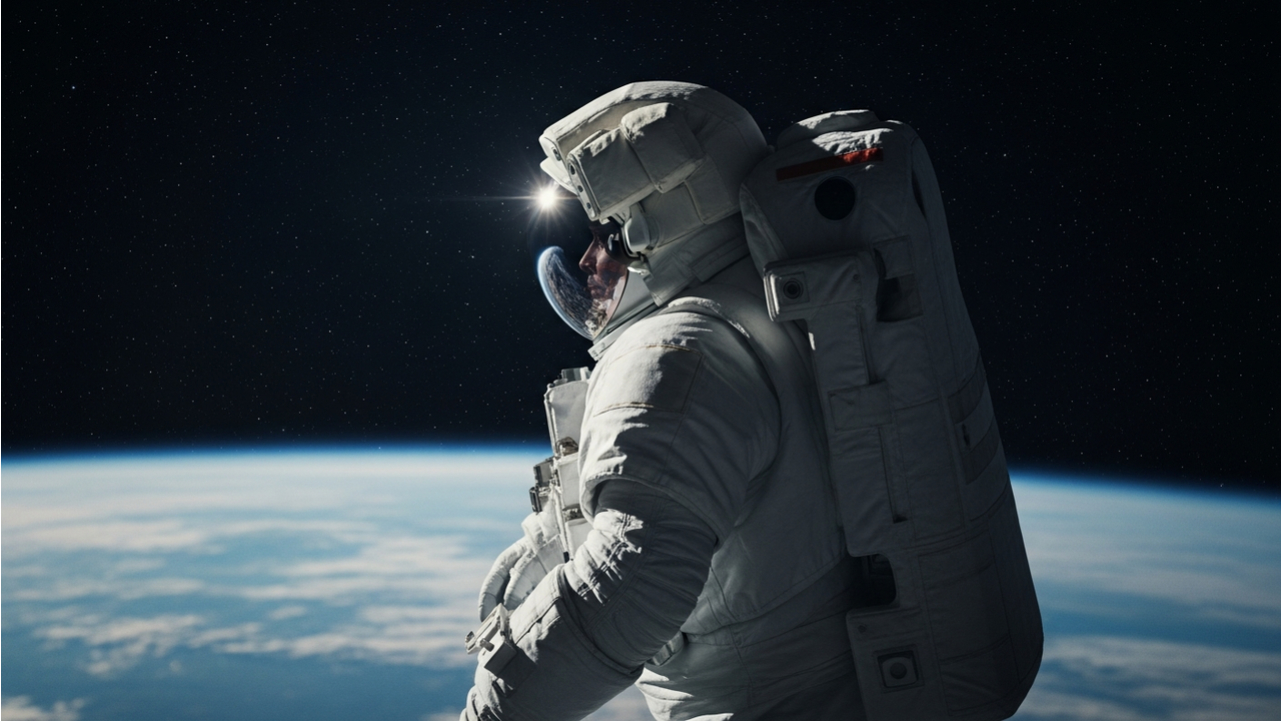
Did You Know?
A single NASA spacesuit, called an Extravehicular Mobility Unit, costs approximately $12 million and takes about 45 minutes to put on, with help from another crew member.

How to Get Started
Getting started on the path to becoming an astronaut begins with curiosity about space and a willingness to work hard across many subjects. Building strong foundations in science, math, and physical fitness are all early steps. The journey from stargazer to astronaut is long and demanding, but every skill you develop along the way, whether in a science class, a swimming pool, or a robotics club, brings you closer to the launch pad.
Explore the Basics
On the next clear night, go outside with a parent or caregiver and spend fifteen minutes looking at the sky, identifying the Moon, any visible planets, and at least one constellation using a free stargazing app like Sky Map or Star Walk. Talk about what you notice, what questions come to mind, and what you would want to explore if you could visit any of those objects. Building a habit of observing the sky is one of the first things many astronauts say sparked their interest in space.
Try It Out
Build a simple model rocket using a kit or household materials, such as a plastic bottle, cardboard fins, and a bicycle pump, to launch it using air pressure. Before you launch, predict how high it will go and then observe what actually happens. Draw a picture of your rocket, label its parts, and write a short mission report describing what you built, what happened during the launch, and what you would change next time.
Join the Community
Ask a parent or caregiver to take you to a nearby planetarium or science museum that has space exhibits, telescope viewings, or rocket-building workshops. Many planetariums offer free or low-cost family shows that take you on a virtual tour of the solar system and let you ask questions about what you see. Bring a notebook and write down one thing you learned and one question you still want answered.
How to Become a Astronaut
Explore more resources for a future Astronaut

Neil Armstrong: 136 Fascinating Facts For Kids
Rod Weston
Why We Picked It
Career Connection
Armstrong's mission required precise navigation, spacecraft systems knowledge, and calm decision-making under pressure — the exact skills NASA trains every astronaut to master.

Mae Jemison (Rookie Biographies)
Jodie Shepherd
Why We Picked It
Career Connection
Jemison was both a physician and an astronaut, showing kids that space careers draw on diverse skills from medicine and engineering to leadership and problem-solving.

MAE JEMISON: The Space Explorer Who Never Gave Up (A Biography Book For Kids)
Douglas Hammock
Why We Picked It
Career Connection
Jemison combined science and creativity throughout her NASA career, demonstrating that astronauts bring a wide range of talents — not just technical skills — to their missions.