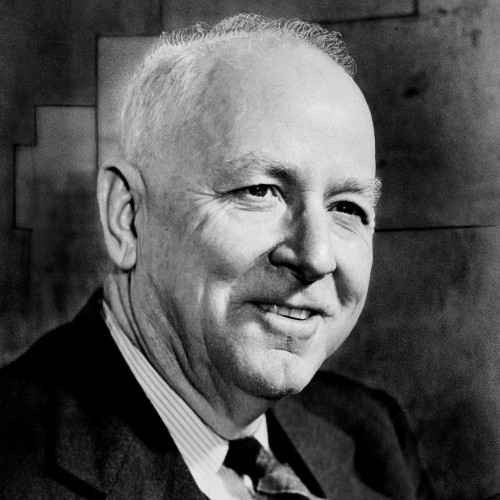
Photo: BLM Oregon & Washington, Public domain, via Wikimedia Commons
What It Is
Before 1934, most open public rangeland across the western United States had no real system for managing how many cattle or sheep could graze on it, and overuse was wearing the land down with no one responsible for fixing it. The Taylor Grazing Act, passed that year, created the first federal system for managing grazing on those open public lands, establishing grazing districts and requiring ranchers to obtain permits limiting how many animals could graze and for how long. The law created the agency that eventually became the Bureau of Land Management, which today oversees about 245 million acres of public land, roughly 155 million of them open to livestock grazing. Range managers were the professionals tasked with actually implementing the law, surveying rangeland conditions, setting permit limits, and working directly with ranchers. Not every rancher welcomed the new limits on land their families had used freely for generations, and the balance between grazing and land health has been debated ever since.
Why It Matters
The Taylor Grazing Act marked the moment the United States decided that its open rangeland, like its forests and farmland, needed professional, science-based management rather than being left to whoever could graze the most animals on it first. It brought range management, which the U.S. Forest Service had already been practicing on national forests since the early 1900s, to vast areas of public land that had never been managed at all, and it created the agency where many range managers still work today. The law's legacy is still visible anywhere a rancher holds a federal grazing permit, more than ninety years after it passed. It also set an early precedent for a tension that still defines conservation science: protecting a resource over the long term sometimes means limiting how much people can use it in the short term. The act reminds us that an entire agency, and thousands of careers, can grow out of a single piece of legislation written to solve one very practical problem.