

Did You Know?
A veterinarian's patients can't say where it hurts, so vets rely on observation, body language, lab tests, X-rays, and sometimes intuition to figure out what's wrong.
The Numbers Behind the Career
According to the Bureau of Labor Statistics, there were about 86,400 veterinarians in the U.S. in 2024.
About 3,000 openings for veterinarians are projected annually over the next decade.
The median salary for veterinarians was $125,510 in 2024.
Where This Career Is Headed
Over the next decade, veterinary careers will be shaped by advances in technology, changing relationships between people and animals, and growing concerns about health and the environment. Tools such as artificial intelligence, digital health records, and animal-wearable devices will help veterinarians diagnose problems earlier and work more efficiently. At the same time, climate change, wildlife conservation needs, and public health challenges will expand the scope and ways in which veterinarians work. These changes mean vets will need strong science skills, adaptability, and compassion more than ever.

Genomic medicine and personalized treatment: Scientists are learning how to read an animal's DNA to understand which diseases it may be at risk for and which treatments will work best for that specific animal. Veterinarians who learn to use genetic testing and design care plans based on each animal's biology will be able to prevent and treat illness in ways not possible today.
Telemedicine and remote monitoring: Wearable devices such as smart collars and health trackers are already collecting real-time data on animals' heart rates, activity levels, and vital signs, and this technology is advancing rapidly. Veterinarians will use this data alongside video consultations to detect health problems before symptoms appear, manage follow-up care without requiring an office visit, and reach pet owners and farmers in rural areas with limited access to veterinary services.
One Health and zoonotic disease prevention: Scientists and governments are increasingly recognizing that human, animal, and environmental health are interconnected, and this idea, known as "One Health," is opening new career paths for veterinarians. As habitat loss and global trade increase the risk of diseases spreading from animals to humans, veterinarians trained in disease surveillance, public health, and wildlife medicine will play a growing role in detecting and containing outbreaks before they spread.

Education & Certification
To become a veterinarian, you must earn a Doctor of Veterinary Medicine (DVM or VMD) degree at an accredited college of veterinary medicine. A veterinary medicine program generally takes 4 years to complete and includes classroom, laboratory, and clinical components. Veterinarians must be licensed in order to practice in the United States. Licensing requirements vary by state, but prospective veterinarians in all states must complete an accredited veterinary program and pass a qualifying exam.
To prepare...
Take strong high school courses in math, anatomy/physiology, and biology to prepare.
Participate in school labs and projects that involve research, data collection, or problem-solving, just like veterinarians do.
Earn a bachelor’s degree in biology or agriculture if you are interested in working with larger animals.
Spotlight: Explore the Life of a Veterinarian

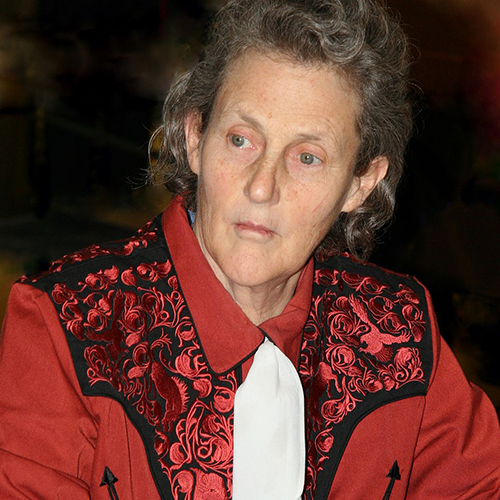

Explore more resources for a future Veterinarian

ArtSkills Epic Lab Vet Kit for Kids, Animal Anatomy Science Kit for Kids 8+ with Modeling Clay
Why We Picked It
Career Connection
Veterinary students learn anatomy by studying physical models and specimens, and this kit replicates the same build-and-label approach that helps future vets understand how animal bodies are structured.