Who He Is
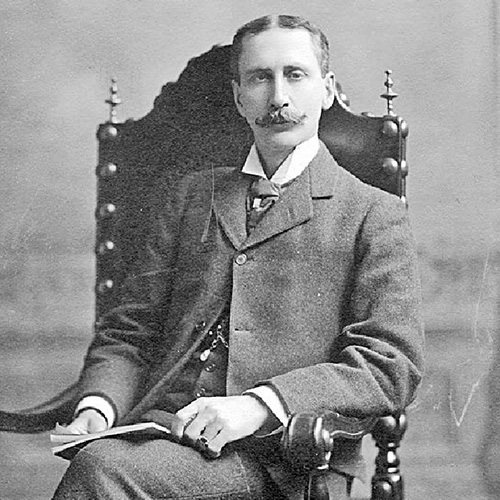
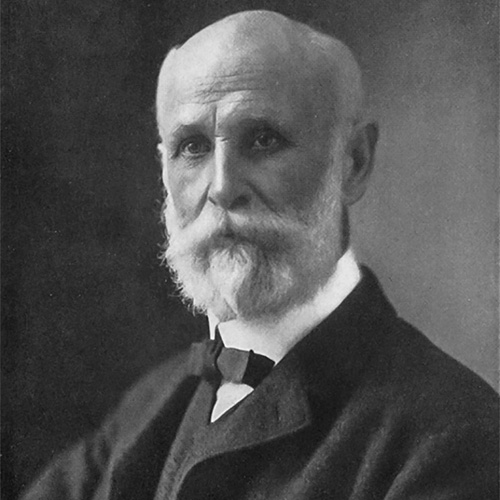
Michael Buonocore was an American dental researcher born in 1918. He made one of the most quietly revolutionary discoveries in the history of dentistry. Working at the Eastman Dental Center in New York, he asked a simple question that nobody had seriously pursued before: what if you could make a filling bond directly to a tooth instead of just sitting inside a carved-out hole? In 1955, he published a landmark paper describing acid etching, a technique in which a mild acid is applied to the tooth surface to create microscopic pores that filling material can grip. That single discovery made bonded white fillings, dental sealants, veneers, and modern cosmetic dentistry possible. Before Buonocore, almost every restoration required drilling away healthy tooth structure just to create mechanical retention. After him, dentists could preserve far more of the natural tooth.
Why He Matters
Michael Buonocore's discovery changed what it means to restore a tooth. Because of his work, dentists today can repair damage more conservatively, more beautifully, and with less discomfort than any previous generation could imagine. His career is a reminder that some of the most transformative breakthroughs in science come not from expensive equipment or large research teams but from one curious person willing to ask a question everyone else had overlooked. For young people interested in dentistry or research, Buonocore's story is proof that a single well-asked question can change an entire profession.